Trump Reveals India's Plan to Purchase Venezuelan Oil Amid Global Trade Realignments
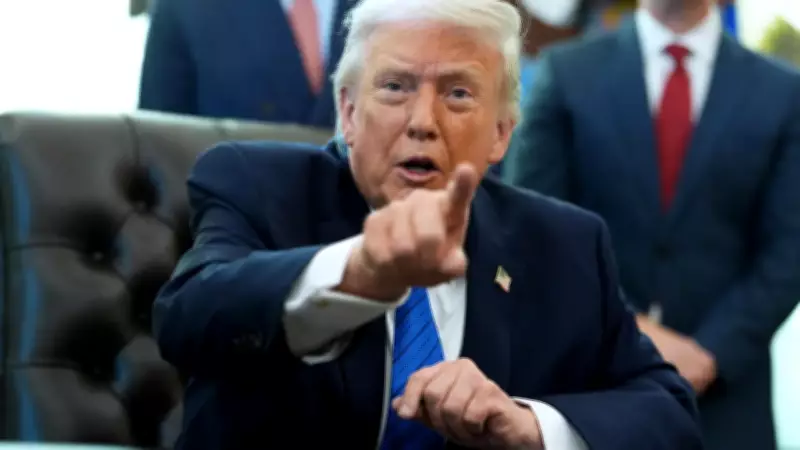
In a significant development that underscores shifting global energy dynamics, former US President Donald Trump announced on Sunday that India is poised to begin purchasing oil from Venezuela. This revelation comes as Venezuela, which holds the world's largest oil reserves, has implemented sweeping reforms to open its hydrocarbons sector to private investment following recent geopolitical events.
Strategic Diversification Amid US Trade Pressures
Trump's comments, made while speaking onboard Air Force One, highlight India's ongoing efforts to diversify its energy sources. "India is coming in and will buy Venezuelan oil," Trump stated, confirming what industry observers have anticipated for months. This move represents a calculated response to mounting trade tensions between India and the United States, particularly concerning New Delhi's continued oil purchases from Russia.
Indian refiners have been gradually reducing their Russian imports in recent months as the United States has intensified trade pressures, including imposing additional 25% tariffs on various Indian goods. The Venezuelan option provides India with an alternative source that aligns with its broader energy security strategy while navigating complex international relations.

Diplomatic Foundations and Bilateral Engagement
The groundwork for this energy partnership was laid through high-level diplomatic engagement. On January 30, Prime Minister Narendra Modi held a substantive conversation with Acting President of Venezuela, Delcy Rodríguez, where both leaders explored avenues to strengthen bilateral cooperation across multiple domains.
Sharing details of their discussion on social media platform X, Prime Minister Modi wrote: "Spoke with Acting President of Venezuela, Ms. Delcy Rodríguez. We agreed to further deepen and expand our bilateral partnership in all areas, with a shared vision of taking India-Venezuela relations to new heights in the years ahead." This diplomatic exchange signals a mutual commitment to enhancing economic ties, with energy cooperation serving as a cornerstone of the evolving relationship.
Venezuela's Historic Sector Reforms
This potential energy partnership coincides with Venezuela's comprehensive overhaul of its hydrocarbons sector, marking a departure from decades of stringent state control. The South American nation has implemented a series of transformative measures designed to attract foreign investment and participation:
- Significant reduction of taxes and royalties for energy companies
- Introduction of international arbitration mechanisms for dispute resolution
- Enhanced operational freedom for private firms in exploration, production, and marketing activities
These structural changes follow partial easing of US sanctions against Venezuela, creating carefully regulated pathways for expanded international trade under specific conditions. The reformed regulatory environment presents new opportunities for energy-importing nations like India to engage with one of the world's most resource-rich countries.
Global Implications and Strategic Calculations
The emerging India-Venezuela energy partnership reflects broader realignments in global trade patterns and energy geopolitics. As nations navigate the complex interplay of economic interests, diplomatic relations, and energy security concerns, such arrangements demonstrate how countries are adapting to evolving international circumstances.
For India, this development represents more than just a new source of crude oil—it signifies a strategic recalibration of energy procurement in response to multiple factors including trade pressures, market dynamics, and diplomatic opportunities. The timing of this announcement, coming amidst ongoing global economic uncertainties and shifting alliances, underscores the fluid nature of international energy markets and the strategic calculations nations must make to ensure their economic stability and growth.

As Venezuela continues to implement its sector reforms and India pursues its diversification strategy, this potential energy partnership could evolve into a significant component of both nations' economic landscapes, potentially influencing regional dynamics and global energy flows in the coming years.