India-UK Trade Agreement on Track for April 2026 Implementation
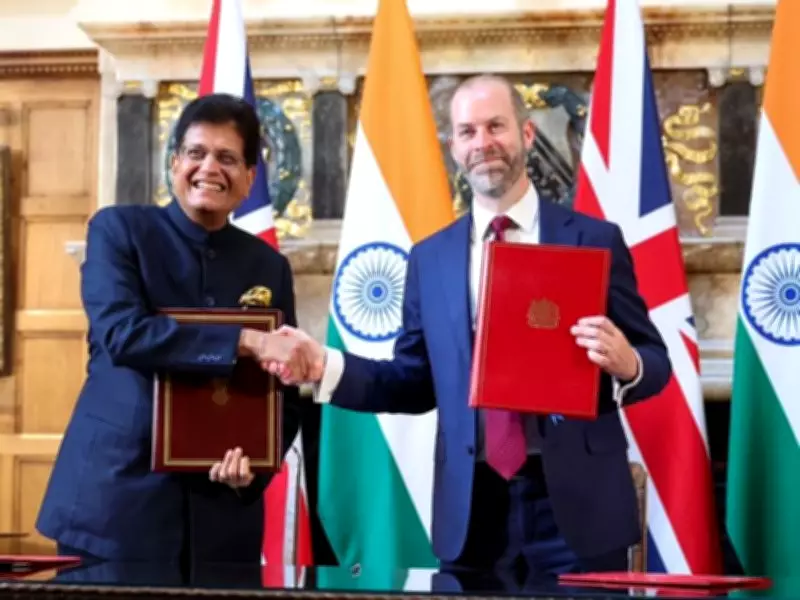
Union Minister of Commerce and Industry Piyush Goyal announced on Friday that the free trade agreement between India and the United Kingdom is projected to come into effect from mid-April 2026. This development marks a significant milestone in bilateral economic relations, following the signing of the Comprehensive Economic and Trade Agreement (CETA) on July 24, 2025.
Key Provisions of the CETA Deal
Under the terms of the agreement, approximately 99 per cent of Indian exports will gain duty-free access to the UK market. In a reciprocal move, tariffs on British goods, including automobiles and whisky, will be substantially lowered in India. This tariff reduction is expected to boost trade flows and enhance market opportunities for both nations.
Services Sector and Professional Benefits
The services sector, a vital component of India's economy, stands to gain extensively from this pact. The agreement provides expanded market access in areas such as IT and IT-enabled services, financial and legal services, professional and educational services, and digital trade. Additionally, Indian professionals, including architects, engineers, chefs, yoga instructors, and musicians, will benefit from simplified visa procedures and liberalised entry categories, facilitating easier mobility and employment in the UK.

Approval Process and Implementation Timeline
The CETA requires approval from the UK Parliament before implementation, while in India, such agreements are sanctioned by the Union Cabinet. According to Goyal, this deal is anticipated to be the fastest to be approved by the British Parliament, typically a process that takes around a year and a half. He expressed confidence that the agreement will be enforced within one month from the current timeline, highlighting the efficiency of the approval process.
Double Contribution Convention (DCC) Integration
Goyal also noted that the Double Contribution Convention (DCC) will be implemented alongside CETA. This convention will exempt Indian professionals and their employers from social security payments in the UK for up to three years, thereby improving the cost competitiveness of Indian talent and making it more attractive for UK-based employment.
The implementation of this trade agreement is poised to strengthen economic ties, foster greater collaboration, and drive mutual growth between India and the UK, setting a precedent for future international trade partnerships.