

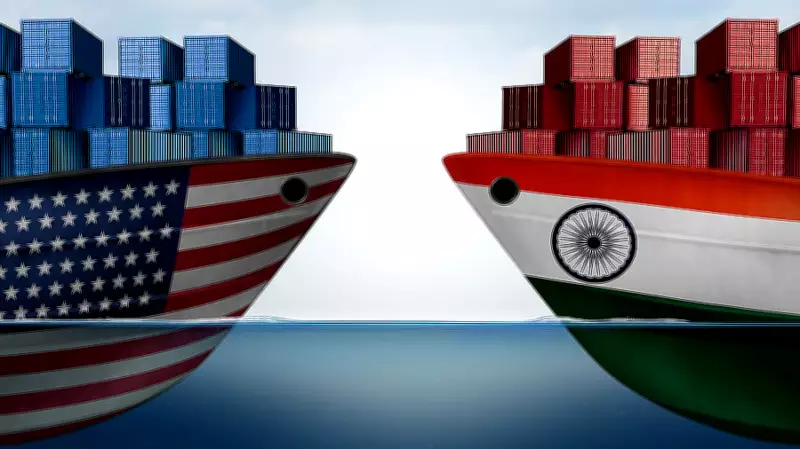
India-US Trade Deal: A Lifeline for Washington's Lobby, Not India's Workers
In a critical examination of recent diplomatic maneuvers, the India-US trade agreement is emerging as a contentious issue that prioritizes American lobbying interests over the welfare of Indian laborers. Authored by K P Nayar and last updated on February 13, 2026, this analysis delves into the complexities of international trade dynamics, suggesting that India's strategy of short-term appeasement could have far-reaching implications for its economic sovereignty.
Short-Term Appeasement and Long-Term Complications
The trade deal, while presented as a mutual benefit, appears to serve as a lifeline for Washington's influential lobby groups rather than addressing the needs of India's workforce. By focusing on immediate diplomatic gains, India risks entangling itself in agreements that may undermine its long-term economic diplomacy goals. This approach could lead to dependencies that complicate future negotiations and limit India's ability to advocate for its domestic industries and workers.
Key concerns include:

- The potential for the deal to favor US corporate interests, which often lobby aggressively for favorable terms.
- A lack of robust provisions to protect Indian jobs and ensure fair labor practices.
- The risk of setting precedents that could hinder India's autonomy in future trade discussions.
Implications for Indian Economic Diplomacy
India's economic diplomacy has long aimed to balance global partnerships with national development priorities. However, this trade deal highlights a tension between short-term political appeasement and sustainable economic strategies. By aligning too closely with US demands, India may find its bargaining power diminished in other international forums, affecting its ability to secure deals that genuinely benefit its economy and citizens.
Experts warn that such agreements often come with hidden costs, including pressure to conform to standards that do not align with India's developmental stage. This could result in trade imbalances and reduced opportunities for local industries to compete on a global scale.
Broader Context and Future Outlook
The analysis underscores the need for India to reassess its trade policies to ensure they serve the interests of its workers and long-term economic health. While engaging with global powers like the US is essential, it must be done with a clear-eyed view of the potential pitfalls. Strengthening domestic industries and investing in skill development for workers could provide a more resilient foundation for future trade negotiations.
In conclusion, the India-US trade deal, as critiqued by K P Nayar, serves as a cautionary tale about the dangers of prioritizing foreign lobbying over domestic welfare. As India navigates its economic diplomacy, a focus on sustainable and equitable agreements will be crucial to safeguarding the interests of its workforce and ensuring long-term prosperity.






