

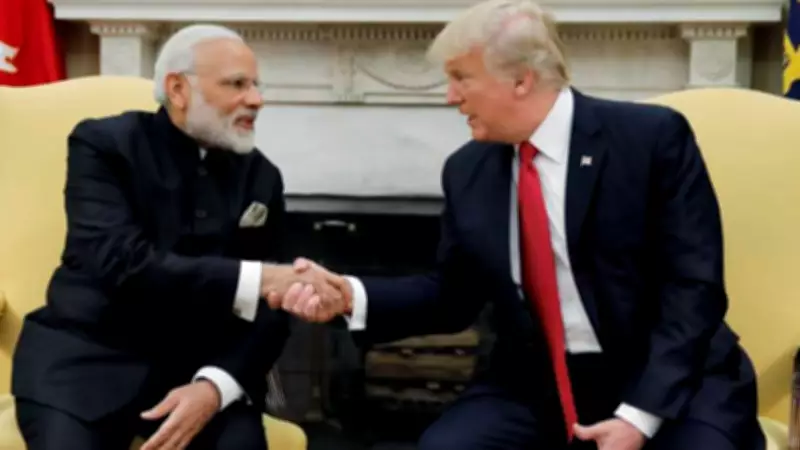
India-US Trade Agreement Breaks Tariff Impasse, Industry Hails 18% Rate
The Indian business community is celebrating a significant breakthrough as New Delhi successfully resolved the prolonged tariff deadlock with Washington, securing a favorable tariff slab of 18%. This development marks a substantial rollback from the previously imposed tariffs by US President Donald Trump, which had escalated to 25% along with an additional 25% penalty tax on specific Indian exports, primarily targeting those linked to oil purchases from Russia.
Industry Leaders Applaud the Strategic Agreement
Reactions from major industry players have been overwhelmingly positive, with leaders from the automobile and finance sectors highlighting the deal's potential to foster long-term economic momentum. Sudarshan Venu, Chairman of TVS Motor Company, expressed strong support for the India-US trade deal, stating that the reduction in reciprocal tariffs to 18% enhances export competitiveness and reinforces confidence in bilateral economic relations.
Venu emphasized that this move aligns with Prime Minister Narendra Modi's vision of Viksit Bharat 2047, noting the importance of progressive reductions in both tariff and non-tariff barriers to deepen supply-chain integration, accelerate technology collaboration, and attract investments into advanced manufacturing sectors.

Economic Implications and Global Positioning
Anil Talreja, Partner at Deloitte India, highlighted the strategic timing of this agreement, coming just weeks after another significant deal with a major economy. He pointed out that India is seizing opportunities to solidify its position in the global trade order, with the opening of consumer markets to European and US companies expected to turbocharge India's growth narrative.
Talreja further noted that combined with recent budget announcements focusing on manufacturing, these developments have the potential to significantly boost productivity, increase per capita income, and elevate living standards across the nation.
Challenges and Implementation Details
Despite the celebratory mood, Gulzar Didwania, another Partner at Deloitte India, cautioned that certain US tariffs imposed under Section 232 on national security grounds—affecting products like steel, aluminium, copper, automobiles, and auto components—are likely to remain in effect. This means a portion of India's exports to the US will continue facing higher tariffs despite the new agreement.
Didwania also highlighted a critical gap: as of now, no formal legal or procedural documentation outlining the exact scope, timelines, or enforcement mechanisms for the agreement has been published, leaving some aspects of implementation uncertain.
Technology, Talent, and Financial Sector Perspectives
Prabhat Kumar, Chairman of Pan IIT Alumni India, described the India-US tariff agreement as a strategic leap for technology and talent. He emphasized its significance for the high-technology sector, noting that improved market access and enhanced competitiveness for Indian engineering goods will strengthen the Make in India initiative.
Kumar also connected this development with recent budget measures, such as the reduction of Tax Collected at Source on foreign education remittances, which eases financial pathways for Indian talent seeking global expertise. He believes these combined efforts will create a virtuous cycle benefiting the IIT community and the nation at large.
From the financial services perspective, George Alexander Muthoot, Managing Director of Muthoot Finance, welcomed the policy clarity, stating that it supports prudent capital deployment and creates a stable environment for sustained growth. He views these developments as laying a strong foundation for long-term economic momentum.
The India-US trade deal represents a pivotal moment in bilateral relations, with industry stakeholders across sectors expressing optimism about its potential to drive economic growth, enhance competitiveness, and strengthen India's position on the global stage.






