

India and United States Seal Crucial Trade Agreement Following Extended Negotiations
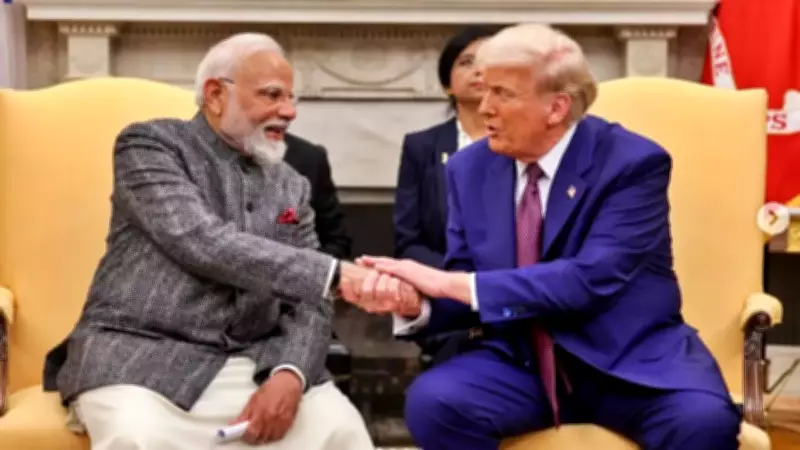
In a significant development for global trade relations, United States President Donald Trump announced on Monday that India and the US have successfully finalized a comprehensive trade deal. This announcement comes after several months of intense negotiations between the two economic powerhouses, during which trade tensions had escalated significantly.
High-Level Diplomatic Engagement Precedes Announcement
Ahead of the formal announcement, President Trump engaged in direct communication with Indian Prime Minister Narendra Modi, underscoring the importance both nations place on this bilateral agreement. The diplomatic exchange was confirmed by US Ambassador to India Sergio Gor, who shared on social media platform X (formerly Twitter) that "President Trump just spoke with Prime Minister Modi. STAY TUNED..." indicating the anticipation surrounding this development.
Background of Trade Tensions and Tariff Disputes
The path to this agreement has been marked by considerable friction, particularly regarding energy trade policies. During the negotiation period, the Trump administration imposed substantial tariffs on Indian exports to the United States, with approximately 25% of these tariffs specifically targeting India's crude oil trade with Russia. The US administration justified these measures by claiming that such trade was indirectly financing Russia's military actions in Ukraine.

Throughout these challenging negotiations, India maintained a firm position of strategic autonomy, clearly communicating that its agricultural and dairy sectors would remain protected from foreign competition. This stance reflected New Delhi's commitment to safeguarding domestic interests while pursuing international trade agreements.
Broader Context of India's Global Trade Engagements
This bilateral agreement with the United States arrives shortly after India and the European Union announced what both sides described as the 'mother of all' trade deals. While the European Union collectively represents India's largest trading partner as an economic bloc, the United States continues to hold the position of India's single largest individual trading partner, making this agreement particularly significant for both economies.
Energy Trade Dynamics and Geopolitical Considerations
The trade discussions have been closely intertwined with global energy markets and geopolitical considerations. President Trump recently indicated that India would begin purchasing crude oil from Venezuela, suggesting this move would help substitute part of the Russian oil supplies that have been subject to international scrutiny. As the world's third-largest importer of crude oil, India's energy procurement decisions carry substantial weight in global markets.
Speaking to reporters aboard Air Force One, Trump stated, "We've already made that deal, the concept of the deal," referring to potential Venezuelan oil purchases. This development follows India's cessation of oil imports from Venezuela last year after the Trump administration imposed a 25% tariff in March on nations purchasing Venezuelan crude.
During the same conversation, Trump also suggested that India would source Venezuelan oil to replace Iranian supplies. However, India had already halted imports of Iranian crude in 2019 following US sanctions linked to Tehran's nuclear program. To compensate for the loss of Iranian oil, Indian refiners initially increased purchases from the United States before later reducing those volumes and emerging as the largest buyer of discounted Russian seaborne crude after Western countries sanctioned Moscow following its 2022 invasion of Ukraine.
US Perspective on Tariff Effectiveness and Future Adjustments
Several weeks prior to the deal's announcement, US Treasury Secretary Scott Bessent hinted that Washington might eventually roll back the 25% punitive tariff imposed on India over its purchases of Russian crude. Speaking at the World Economic Forum in Davos, Bessent argued that the measure had delivered tangible results, framing the outcome as a victory for US pressure tactics.

"We put 25% tariffs on India for buying Russian oil, and the Indian purchases by their refineries of Russian oil have collapsed. So that is a success. The tariffs are still on. I would imagine there is a path to take them off, so that's a check and a huge success," Bessent stated. He also expressed apparent discomfort with the European Union's engagement with New Delhi as it moved closer to finalizing a free trade agreement, highlighting the competitive nature of international trade diplomacy.
This comprehensive trade agreement between India and the United States represents a significant milestone in bilateral relations, potentially reshaping trade patterns and economic cooperation between the world's largest democracy and its most powerful economy. The deal's implementation will be closely watched by global markets and policymakers alike as both nations navigate the complex intersection of economic interests and geopolitical considerations.





