

India-US Trade Deal: A Temporary Respite in Uncertain Waters
The bustling political landscape of New Delhi has witnessed a significant development with the announcement of the India-US trade deal, following closely on the heels of an FTA with the EU and the national budget presentation. After nearly a year of intense negotiations, this agreement marks a pivotal moment in bilateral relations, yet it arrives shrouded in ambiguity and caution.
Understanding the Tariff Relief and Its Limitations
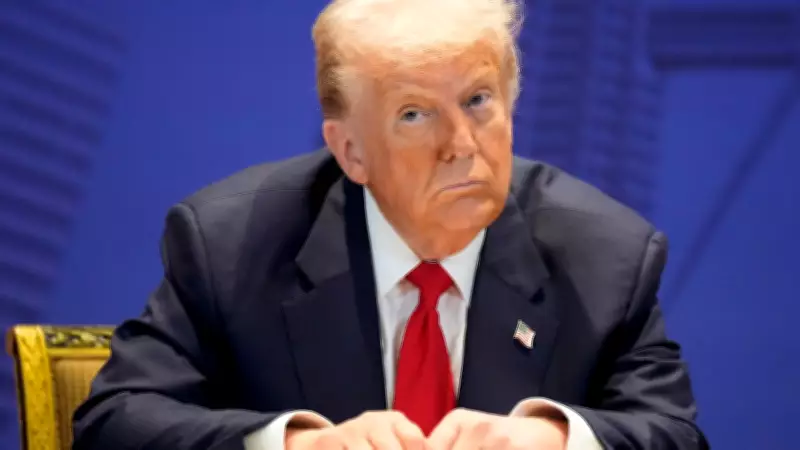
President Trump has declared that tariffs against India will decrease from a staggering 50 percent to 18 percent, providing much-needed relief to Indian exporters. This reduction alleviates the immediate threat of exiting the lucrative US market under a punitive tariff regime. However, this deal diverges from traditional Free Trade Agreements by introducing elements of uncertainty alongside its benefits.
With tariffs set at 18 percent, India now finds itself in a marginally better position compared to competitors like Vietnam, Cambodia, Malaysia, Pakistan, and the Philippines, which face rates of 19 to 20 percent. This shift is crucial, as India had previously endured a 19.5 percent relative tariff disadvantage, making its exports more heavily taxed. Notably, 66 percent of India's total exports to the US were subjected to the 50 percent tariff, while 4 percent, primarily auto components, faced a 25 percent rate.

Sectoral Impact and Domestic Reforms
The sectors most affected by the high tariffs include textiles, gems and jewellery, and marine products, each relying on the US for over 30 percent of their exports. In response, India has proactively addressed tariff and non-tariff barriers. For instance, in 2025, the government revoked 22 Quality Control Orders on chemicals and polymers, essential inputs for industries like textiles. This move reversed a trend from 2016 to 2025, which saw an eightfold increase in QCOs covering nearly 700 products, often leading to higher costs and reduced export opportunities.
Additionally, the Shanti Bill, permitting private entities including US firms to operate Small Modular Reactors, may have influenced the US decision to lower tariffs. The 2026 budget further supports this by offering tariff concessions on intermediary inputs for sectors hit hard by US tariffs, demonstrating India's commitment to enhancing export competitiveness.
The Unpredictability of US Trade Policy
A major challenge with this deal is its inherent unpredictability, mirroring the broader nature of US trade policies under the Trump administration. Critical questions remain unresolved, particularly regarding India's imports of Russian oil and potential impacts on agriculture and dairy sectors. While India could resume importing Venezuelan crude oil following Trump's revocation of a 25 percent tariff threat, a complete shift from Russian sources is unlikely in the near term.
In agriculture, there is speculation that India may have agreed to import soybeans, given the acute strain on US farmers due to reduced Chinese demand and a 36 percent increase in farm bankruptcies in 2025. However, the deal offers no safeguard against the capricious actions of the Trump administration, as evidenced by recent threats of additional tariffs on European allies over Greenland, despite a prior trade deal with the EU in July 2025.
Strategic Imperative: Diversification and Competitiveness
India cannot afford to treat this agreement as a conventional FTA; it is limited in scope and vulnerable to reversal. Instead, it should be viewed as a narrow window of opportunity to strengthen the competitiveness of Indian exports and diversify export destinations. The long-term strategy must focus on reducing dependence on the US market and moving towards more predictable trading environments.
This moment calls for accelerated reforms and strategic planning to ensure that India's trade resilience is not compromised by external uncertainties. By leveraging this temporary relief, India can build a more robust and diversified export framework for sustainable economic growth.






