India-US Trade Deal Signing Put on Hold as India Awaits US Tariff Clarity
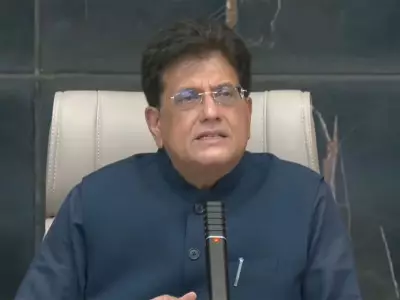
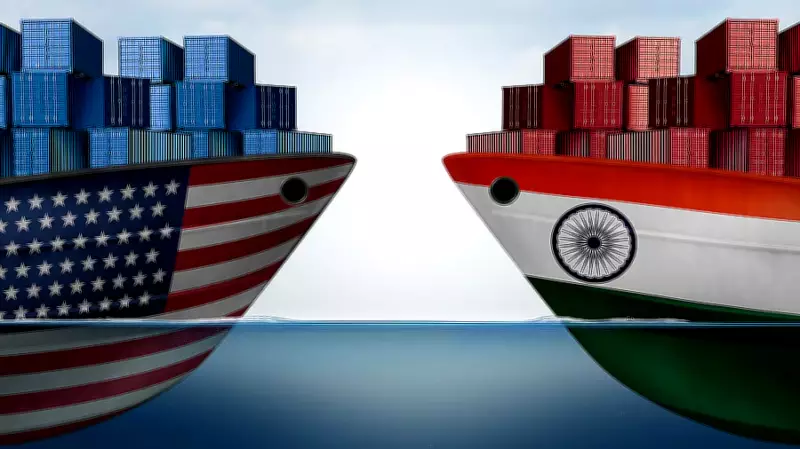
In a significant development impacting bilateral trade relations, Commerce Secretary Rajesh Agarwal has announced that the signing of the much-anticipated India-US trade deal is currently on hold. The delay stems from India's decision to wait for greater clarity on the United States' forthcoming tariff architecture before proceeding with the formal agreement.
Commerce Secretary Emphasizes Need for Tariff Clarity
Commerce Secretary Rajesh Agarwal provided a clear rationale for the postponement, stating, "Actual signing, to my mind, will be done when the new architecture of tariffs will be created by the US. We will wait for tariff clarity first." This statement underscores India's strategic approach to the trade negotiations, prioritizing a well-defined understanding of US tariff policies to ensure the deal's terms are favorable and transparent for both nations.
Background and Implications of the Delay
The India-US trade deal has been a focal point of economic diplomacy, aimed at enhancing trade flows and resolving longstanding issues such as market access and tariffs. The current hold indicates that while negotiations may have progressed, finalizing the agreement hinges on the US establishing its new tariff framework. This delay could impact sectors like agriculture, technology, and manufacturing, where tariff adjustments are critical.

Key factors influencing this decision include:
- Uncertainty in US Trade Policy: The US is in the process of revising its tariff structures, which could affect import-export dynamics with India.
- India's Prudent Stance: By awaiting clarity, India aims to avoid potential disputes or unfavorable terms that might arise from ambiguous tariff rules.
- Bilateral Trade Goals: Both countries seek to boost trade volumes, but a clear tariff architecture is essential for sustainable and equitable growth.
Next Steps and Future Outlook
As India waits for the US to outline its new tariff architecture, stakeholders are monitoring developments closely. The delay is not seen as a setback but as a cautious step to ensure the deal's robustness. Once the US provides the necessary tariff clarity, negotiations are expected to resume swiftly, potentially leading to a signing in the near future.
This move reflects India's commitment to securing a trade deal that benefits its economy while navigating the complexities of international trade policies. The outcome will likely influence global trade patterns and strengthen the strategic partnership between India and the US.