

India and United States Advance Bilateral Trade Agreement Negotiations
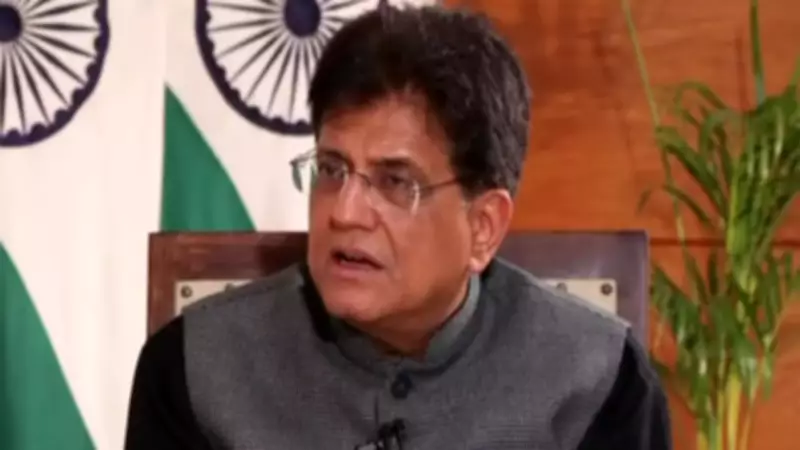
Commerce and Industry Minister Piyush Goyal held a significant meeting with United States Trade Representative Jamieson Greer on Friday, marking a crucial step forward in the ongoing negotiations for the proposed India-US Bilateral Trade Agreement (BTA). The discussions took place on the sidelines of the 14th Ministerial Conference of the World Trade Organisation in Yaounde, Cameroon, where both leaders reviewed the next stages of the trade pact process.
Productive Dialogue on WTO Agenda and Economic Cooperation
During their meeting, Minister Goyal and Ambassador Greer exchanged detailed perspectives on matters related to the WTO MC14 agenda while exploring concrete methods to further deepen economic collaboration and strengthen bilateral trade ties between the two nations. Goyal described the conversation as "very productive" in a social media post following the engagement.
The development occurs amidst continuous efforts by both countries to finalize an interim trade arrangement. Last month, India and the United States announced they had successfully completed a framework for the initial phase of the agreement, though the formal signing remains pending. This framework represents a structured approach to addressing key trade barriers and market access issues that have historically affected commercial relations between the world's largest democracy and the global economic superpower.

Tariff Structure Changes and Agreement Timeline
As part of the established framework, the United States had previously agreed to reduce tariffs on Indian goods to approximately 18%. However, this tariff structure has undergone substantial modifications following a landmark ruling by the US Supreme Court, which struck down sweeping tariffs imposed under earlier administrative measures. In response to this judicial decision, US President Donald Trump implemented a 10% tariff on all countries for a 150-day period beginning February 24.
These evolving tariff circumstances have directly impacted the negotiation timeline. A planned meeting between chief negotiators from India and the United States—aimed at finalizing the legal text of the agreement—has been postponed as a result. The trade pact was initially anticipated to be signed this month, but officials now indicate the interim agreement will be formalized once the new global tariff framework of the United States is fully established and operational.
Historical Context and Future Prospects
The two economic partners had previously announced a trade deal framework on February 2, followed by a joint statement on February 7 that outlined the fundamental contours of the prospective agreement. This progression represents years of diplomatic and commercial discussions aimed at creating a more balanced and mutually beneficial trade relationship.
Both nations recognize the strategic importance of strengthening economic ties amid global uncertainties and shifting trade dynamics. The proposed BTA addresses multiple sectors including agriculture, manufacturing, digital trade, and intellectual property rights, with potential to significantly boost bilateral commerce that currently exceeds $150 billion annually.
As negotiations continue, stakeholders from both countries await further developments that could reshape one of the most important economic partnerships in the Indo-Pacific region. The WTO ministerial conference provided an ideal diplomatic setting for these high-level discussions, demonstrating the commitment of both governments to advancing their commercial relationship through established multilateral frameworks while pursuing bilateral solutions to specific trade challenges.






