

India and US Forge New Trade Agreement with Significant Tariff Reductions
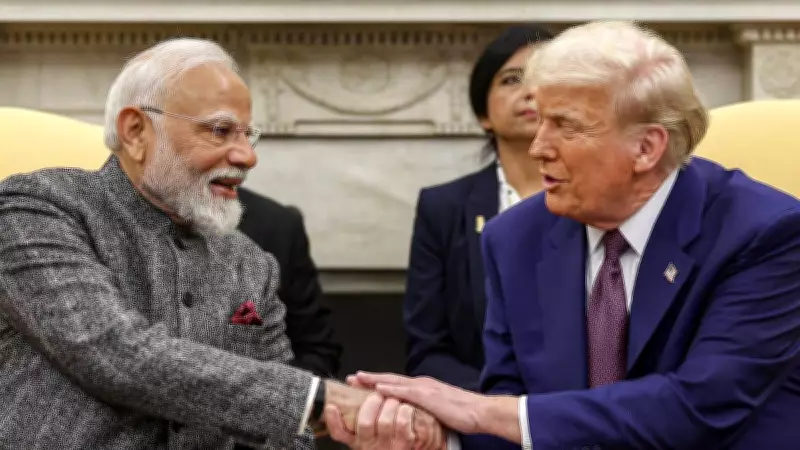
In a landmark development for international commerce, Prime Minister Narendra Modi and former United States President Donald Trump have jointly announced a comprehensive trade deal between India and the US. This agreement marks a pivotal shift in economic relations, with a key provision being the reduction of tariffs from a previous rate of 25% down to 18%. The announcement underscores a mutual commitment to fostering a more open and prosperous trading environment.
Details of the Tariff Adjustment and Its Implications
The tariff cut from 25% to 18% represents a substantial easing of trade barriers, which is expected to stimulate increased bilateral trade flows. This reduction is likely to benefit various sectors, including manufacturing, agriculture, and technology, by making goods more affordable and competitive in both markets. Analysts suggest that this move could lead to a surge in exports and imports, thereby enhancing economic growth and job creation in both nations.
The strategic importance of this deal cannot be overstated, as it comes at a time when global trade dynamics are evolving rapidly. By lowering tariffs, India and the US aim to address longstanding trade imbalances and promote a more equitable partnership. This agreement is seen as a step towards resolving previous disputes and building a foundation for future collaborations in areas such as digital trade and intellectual property rights.

Reactions and Future Prospects for India-US Relations
The announcement has been met with positive reactions from business communities and policymakers in both countries. Many view this as a win-win situation that will strengthen the economic bond between India and the US, two of the world's largest democracies. The deal is expected to pave the way for further negotiations on other trade-related issues, potentially leading to more comprehensive agreements in the coming years.
This tariff reduction is part of a broader effort to enhance bilateral ties, which have seen significant growth in recent years. With both leaders emphasizing the importance of a robust trade relationship, this deal could serve as a catalyst for increased investment and technological exchange. As India continues to position itself as a key player in the global economy, such agreements are crucial for its integration into international markets and for achieving its economic aspirations.






