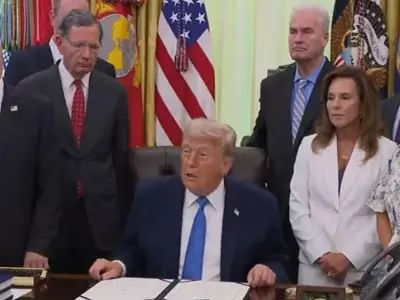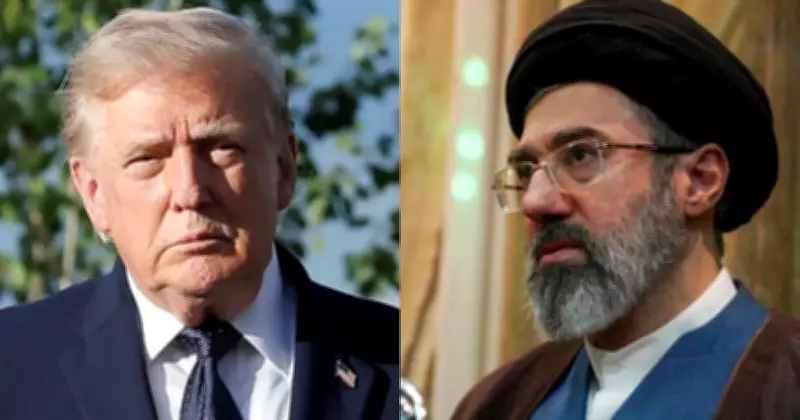
The United States and Iran have reached a historic 14-point framework agreement, signed electronically by US President Donald Trump, Vice President JD Vance, and Iran's lead negotiator Mohammad Bagher Ghalibaf. The deal, announced on June 14, 2026, marks a significant step toward de-escalation in the Middle East.
Key Points of the Agreement
The memorandum of understanding includes 14 points covering military, economic, and diplomatic aspects. Both sides have declared an immediate and permanent termination of military operations on all fronts. The Strait of Hormuz, a critical oil passage, has been partially reopened under the terms of the deal.
Global Reactions
Pakistan Prime Minister Shehbaz Sharif confirmed the peace deal via social media, stating: "Following intensive talks, we are pleased to announce that the Peace Deal between the United States of America and Islamic Republic of Iran has been REACHED." He emphasized the immediate end of hostilities.

However, the signing faced a delay due to objections from Israel. Israeli Prime Minister Benjamin Netanyahu expressed concerns over the agreement's implications for regional security. The deal's implementation may face further challenges as stakeholders assess its impact.
Next Steps
Vice President JD Vance will lead the US delegation to finalize the agreement's implementation. The deal aims to stabilize the region and reduce tensions, with both sides committing to further negotiations on outstanding issues.
The 14-point MoU is seen as a major diplomatic breakthrough, though analysts caution that its success depends on adherence by all parties involved.