

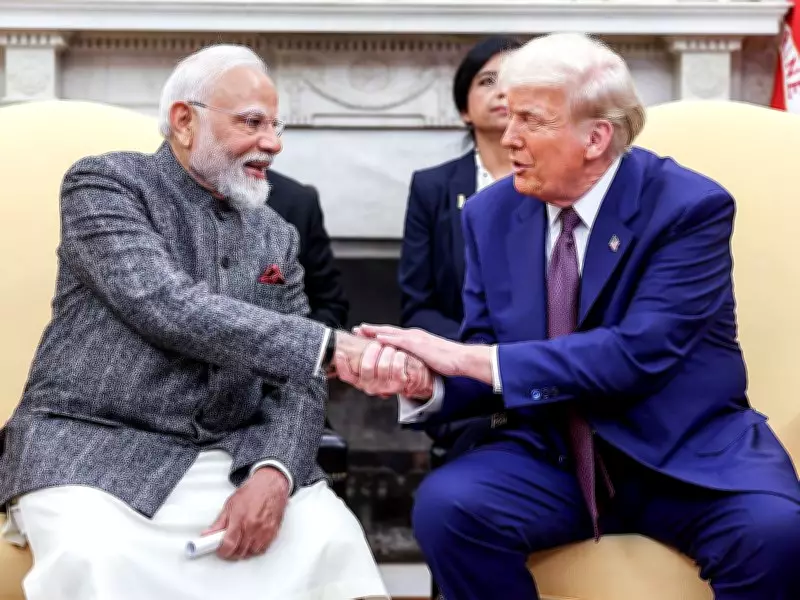
India-US Bilateral Trade Agreement: A Game-Changer for Farmers
India and the United States are currently engaged in advanced negotiations for a comprehensive Bilateral Trade Agreement (BTA), a move that holds significant promise for the Indian agricultural sector. The proposed deal is poised to grant Indian agricultural products zero-duty access to the vast US market, which is valued at an impressive $46 billion. This development could mark a transformative shift for Indian farmers, potentially leading to a substantial increase in their incomes and overall export revenues.
Key Details of the Proposed Trade Deal
The negotiations are focused on creating a framework that eliminates tariffs on a wide range of Indian agricultural goods entering the United States. This zero-duty access is expected to cover products such as fruits, vegetables, spices, and processed foods, which have high demand in the US. The $46 billion US agricultural import market represents a lucrative opportunity for Indian exporters, who have historically faced trade barriers and high tariffs that limited their market penetration.
Experts suggest that this agreement could enhance India's export competitiveness by reducing costs and making its products more affordable for American consumers. In turn, this is anticipated to drive up demand, leading to higher production volumes and better price realizations for Indian farmers. The boost in farmer incomes is seen as a critical step toward improving rural livelihoods and supporting the broader agricultural economy.

Potential Impacts on the Agricultural Sector
The implementation of the BTA is likely to have far-reaching effects on India's agricultural landscape. By opening up access to the US market, Indian farmers could diversify their export destinations and reduce dependency on traditional markets. This could also encourage investments in modern farming techniques, supply chain improvements, and quality standards to meet US regulatory requirements.
Key benefits include:- Increased export opportunities for high-value agricultural products.
- Enhanced income stability for farmers through access to a stable and large market.
- Potential for job creation in related sectors such as logistics, processing, and packaging.
- Strengthened bilateral trade relations between India and the US, fostering economic cooperation.
However, challenges such as meeting stringent US quality and safety standards, as well as competition from other exporting nations, will need to be addressed. The Indian government is expected to support farmers through capacity-building initiatives and policy measures to ensure they can capitalize on this opportunity.
Broader Economic and Trade Implications
Beyond agriculture, the India-US BTA is part of a larger effort to deepen economic ties between the two nations. It aligns with India's strategy to expand its global trade footprint and attract foreign investment. The agreement could also set a precedent for future trade deals with other countries, promoting India's integration into the global economy.
As negotiations progress, stakeholders are closely monitoring developments, with hopes that a finalized deal will be reached soon. The potential for zero-duty access to the $46 billion US market represents a significant milestone that could reshape India's agricultural exports and contribute to sustainable economic growth.






