

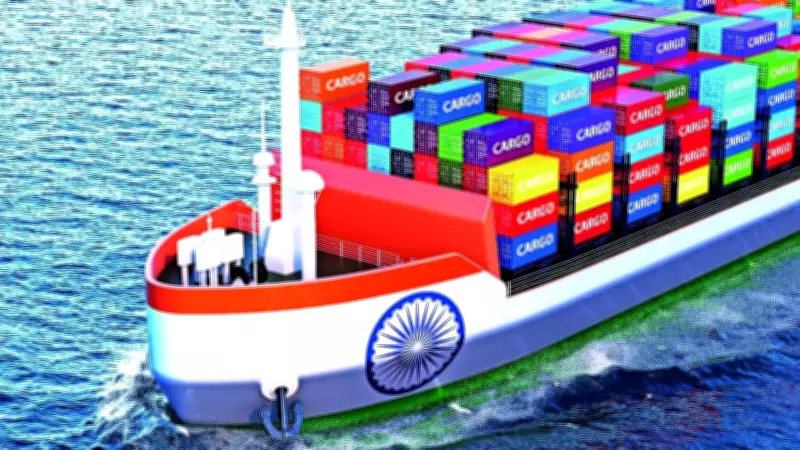
Indian Flag Emerges as Strategic Maritime Shield Amid Middle East Tensions
As geopolitical tensions intensify across the Middle East and vessel safety in the critical Strait of Hormuz comes under renewed international scrutiny, the flag a commercial ship flies has emerged as a decisive factor in maritime security, regulatory oversight, and state protection. This development highlights how national registration serves as both a legal framework and a strategic asset in volatile waters.
The Meaning and Mechanism of Flagging
Flagging a vessel refers to the process of registering it with a specific country, thereby requiring compliance with that nation's maritime laws and regulations. This registration grants the flag state authority to investigate and penalize violations of both domestic statutes and international maritime conventions. Since regulatory standards, tax structures, and enforcement mechanisms vary significantly across jurisdictions, shipowners frequently select flag states that best align with their operational efficiency and commercial objectives.
An Indian-flagged vessel is specifically a commercial ship registered with India's Directorate General of Shipping and authorized to fly the national flag. These vessels operate under the legal framework of the Merchant Shipping Act, effectively extending Indian sovereign jurisdiction onto the high seas. This status mandates that such ships are taxed by Indian authorities and must adhere strictly to Indian maritime safety protocols, labor regulations, and environmental standards.

Requirements and Strategic Advantages of Indian Registration
To qualify for Indian flagging, vessels must physically enter domestic waters for the registration process, and the owning company must be legally incorporated within India. This creates a higher compliance burden compared to so-called "Flag of Convenience" jurisdictions like Panama and St. Kitts and Nevis, which offer streamlined, rapid registration often completed within "3-4 days" from anywhere globally, as noted by Rajeev Kumar Yadav, director at Vertex Marine Services.
However, Indian registration confers significant strategic benefits. The Indian government actively protects the interests of its flagged fleet through potential naval intervention and diplomatic channels during crises. This protective role was demonstrated during recent Iran-related tensions, when the Indian Navy escorted several tankers to safety after more than two dozen Indian ships were stranded west of the Strait of Hormuz due to strict high-risk area classifications. Notably, no direct attacks have been reported on Indian-flagged vessels thus far, a situation largely attributed to India's balanced diplomatic stance in the regional conflict.
Beyond security, commercial incentives exist for Indian-flagged ships calling at domestic ports, including:
- Lower port levies and reduced tax liabilities
- Priority in government cargo movement contracts
- Preferential access to public sector charter agreements
Limitations and Future Growth Trajectory
It is important to clarify that an Indian flag does not grant the government authority to determine commercial freight rates or dictate a vessel's commercial destinations. The state's role is confined to enforcing civil, criminal, and regulatory laws onboard, alongside ensuring adherence to international safety, environmental, and labor compliance norms.
India's flagged fleet is experiencing substantial growth. By March, the Indian-flagged vessel fleet had reached 14.2 million Gross Tonnage (GT), with 92 new vessels adding 1.5 million GT during the fiscal year. Looking forward, the long-term Maritime Amrit Kaal Vision 2047 aims to dramatically increase India's share of the global flagged fleet. The vision targets raising the utilization of Indian-flagged ships from approximately 7 percent currently to an ambitious 30-40 percent by 2047, signaling a strategic push to enhance national maritime sovereignty and economic control.

In conclusion, as Middle Eastern waters remain a flashpoint, the choice of a ship's flag transcends mere administrative paperwork. For Indian vessels, it represents a calculated trade-off: accepting a rigorous regulatory environment in exchange for tangible state protection, diplomatic leverage, and growing commercial advantages within an expanding national maritime framework.





