

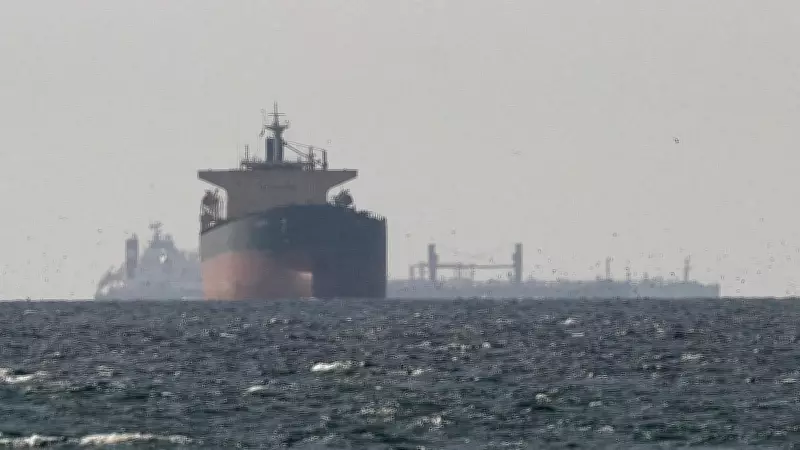
Indian LPG Carrier Completes Safe Passage Through Strait of Hormuz
In a significant development for India's maritime trade, an Indian-flagged vessel transporting liquefied petroleum gas (LPG) has successfully sailed through the Strait of Hormuz. This strategic waterway, located between the Persian Gulf and the Gulf of Oman, is one of the world's most vital shipping lanes for global energy supplies. The safe transit underscores the resilience of Indian shipping operations in a region often fraught with geopolitical instability and security concerns.
Navigating a Critical Global Chokepoint
The Strait of Hormuz serves as a crucial chokepoint for international oil and gas shipments, with approximately one-fifth of the world's petroleum products passing through it annually. For India, a major importer of LPG to meet domestic energy demands, this route is indispensable. The recent passage of the Indian ship highlights the ongoing efforts to ensure the security and continuity of such essential maritime traffic, despite periodic tensions involving regional actors that have previously threatened shipping safety in these waters.
Implications for India's Energy Security
This incident reinforces India's commitment to safeguarding its energy imports, which are vital for powering households and industries across the nation. LPG, in particular, is a key fuel for cooking and heating in many Indian homes, making its uninterrupted supply a matter of national importance. The successful navigation through the Strait of Hormuz not only demonstrates the capability of Indian-flagged vessels but also reflects broader diplomatic and strategic measures aimed at protecting maritime interests in collaboration with international partners.

Geopolitical Context and Regional Dynamics
The Strait of Hormuz has been a flashpoint in recent years, with incidents such as tanker seizures and attacks heightening risks for commercial shipping. In this context, the safe transit of the Indian LPG carrier is a positive note, suggesting that current protocols and vigilance are helping to mitigate potential threats. It also points to the importance of ongoing dialogues and cooperation among nations to maintain freedom of navigation in international waters, which is crucial for global trade stability.
Looking Ahead: Challenges and Opportunities
As India continues to rely on imports for a substantial portion of its energy needs, ensuring the security of maritime routes like the Strait of Hormuz remains a top priority. This event may prompt further investments in naval capabilities, insurance mechanisms, and diplomatic engagements to bolster safety. Moreover, it highlights the need for diversified energy sources and routes to reduce dependency on any single corridor, thereby enhancing long-term energy resilience for the country.






