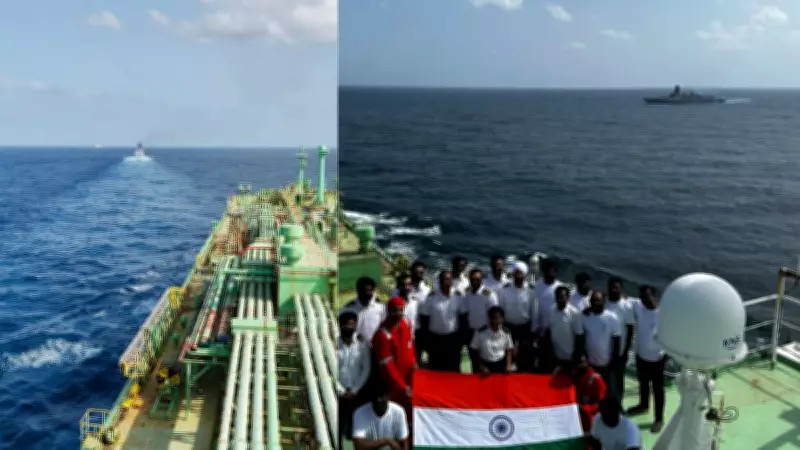
Two More Indian LPG Vessels Cross Strait of Hormuz Amid Regional Disruptions
In a significant development for India's energy security, two more Indian vessels transporting liquefied petroleum gas (LPG) have successfully navigated the Strait of Hormuz. This strategic maritime passage, located between the Persian Gulf and the Gulf of Oman, is a vital global oil chokepoint, handling approximately one-fifth of the world's petroleum trade. The transit occurred against a backdrop of ongoing regional disruptions and heightened security concerns that have recently impacted shipping lanes in this volatile area.
Navigating a Critical Global Chokepoint
The Strait of Hormuz is an essential conduit for global energy supplies, particularly for countries like India, which relies heavily on imports to meet its domestic LPG demand. The successful passage of these two Indian vessels underscores the resilience of India's maritime logistics in the face of geopolitical tensions. This operation highlights the continuous efforts by Indian shipping companies and authorities to ensure the safe and uninterrupted flow of essential energy resources, despite the complex challenges posed by the region's instability.
Recent months have seen increased maritime incidents and security threats in and around the Strait of Hormuz, including attacks on commercial ships and heightened military activities. These disruptions have raised alarms among international shipping communities and energy markets, prompting nations to bolster their naval presence and adopt enhanced security measures. The transit of the Indian LPG vessels is a testament to the effectiveness of these precautionary steps and the strategic planning involved in safeguarding critical supply chains.

Implications for India's Energy Security
India, as one of the world's largest importers of LPG, depends significantly on shipments from the Middle East, with the Strait of Hormuz serving as a primary route. Any prolonged disruption in this corridor could have severe repercussions for India's energy availability and economic stability. The successful crossing of these two vessels not only ensures a steady supply of LPG for domestic consumption but also reinforces India's commitment to maintaining robust energy ties with its Middle Eastern partners.
Key aspects of this development include:
- Enhanced Maritime Coordination: Indian authorities have been working closely with international naval forces and regional stakeholders to monitor and secure shipping lanes, ensuring safe passage for vessels.
- Risk Mitigation Strategies: Shipping companies are implementing advanced navigation technologies and contingency plans to mitigate risks associated with transit through high-threat areas.
- Economic Resilience: The uninterrupted flow of LPG supports India's energy sector, contributing to stable prices and reliable supply for households and industries.
Looking ahead, the situation in the Strait of Hormuz remains fluid, with ongoing geopolitical tensions potentially posing further challenges. However, the successful transit of these Indian vessels signals a proactive approach to navigating such uncertainties. It underscores the importance of international cooperation and strategic foresight in preserving global energy security, particularly for import-dependent nations like India.
In conclusion, the crossing of two more Indian LPG vessels through the Strait of Hormuz amid disruptions is a positive indicator of India's adaptive capabilities in the face of regional volatility. This event not only bolsters the country's energy security but also highlights the broader efforts to maintain stability in one of the world's most crucial maritime corridors.