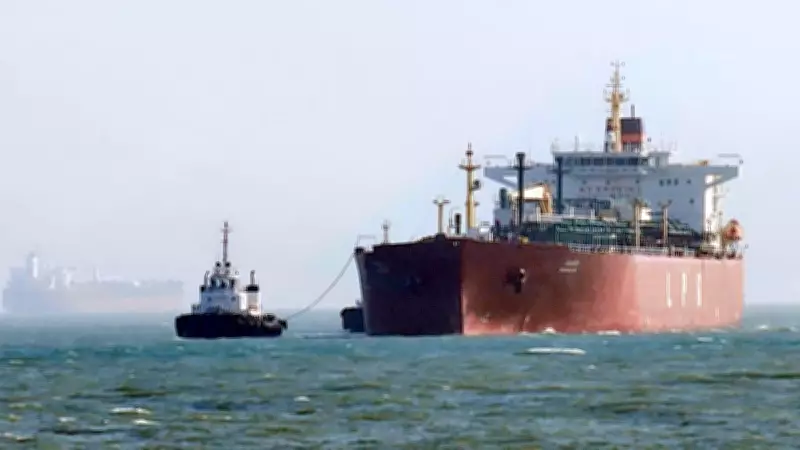
Two Additional Indian LPG Vessels to Traverse Strait of Hormuz Amid Regional Tensions
In a significant development underscoring India's ongoing energy supply concerns, two more Indian liquefied petroleum gas (LPG) carriers, identified as the Jag Vasant and Pine Gas, are poised to cross the highly strategic Strait of Hormuz. This maritime passage, a critical chokepoint for global oil and gas shipments, remains a focal point of heightened geopolitical tensions due to the escalating conflict in West Asia.
Navigating a Volatile Maritime Corridor
The decision for these vessels to proceed through the Strait of Hormuz comes at a time when regional hostilities have intensified, raising alarms over potential disruptions to international shipping lanes. The Jag Vasant and Pine Gas, both registered under the Indian flag, are carrying substantial loads of LPG, a vital fuel source for millions of households and industries across India. Their planned transit through this narrow waterway, which separates Iran and Oman and connects the Persian Gulf with the Gulf of Oman, is being closely monitored by Indian authorities and international maritime agencies.
This move highlights the persistent challenges India faces in securing its energy imports, with approximately a significant portion of its LPG and crude oil supplies traditionally routed through this region. The ongoing West Asia war has exacerbated risks, including threats of maritime attacks, blockades, or increased insurance premiums, which could impact global energy prices and supply chains.

Implications for India's Energy Security and Economy
The transit of the Jag Vasant and Pine Gas is not merely a routine shipping operation but a test of resilience for India's energy infrastructure. As one of the world's largest importers of LPG, India relies heavily on shipments from the Middle East, making the safe passage of these vessels crucial to avoiding potential shortages or price spikes in the domestic market. Any disruption in the Strait of Hormuz could have cascading effects, from increased fuel costs for consumers to broader economic instability.
Indian officials have emphasized the importance of maintaining open sea lanes for international trade, advocating for diplomatic solutions to de-escalate regional conflicts. The government has reportedly implemented enhanced security measures and contingency plans to safeguard these shipments, including coordination with naval forces and real-time tracking of vessel movements.
Broader Context of Global Maritime Trade
This incident reflects a larger trend of geopolitical tensions influencing global trade routes. The Strait of Hormuz is a linchpin for energy exports from countries like Saudi Arabia, Iraq, and the United Arab Emirates, with millions of barrels of oil passing through daily. The West Asia conflict has already prompted some shipping companies to reroute vessels or adopt precautionary measures, adding complexity to logistics and increasing operational costs.
Key points to consider:
- The Jag Vasant and Pine Gas are part of a fleet that supports India's growing LPG demand, driven by urbanization and government initiatives like the Pradhan Mantri Ujjwala Yojana.
- Their safe transit could set a precedent for future shipments, reinforcing confidence in India's ability to navigate volatile regions.
- Ongoing conflicts in West Asia pose long-term risks to energy security, prompting India to explore alternative sources and diversify its import routes.
In conclusion, the planned crossing of the Jag Vasant and Pine Gas through the Strait of Hormuz amid the West Asia war underscores the delicate balance between energy needs and geopolitical realities. As India continues to bolster its maritime capabilities and diplomatic efforts, the outcome of this transit will be closely watched by stakeholders in the energy sector and beyond, shaping strategies for mitigating future disruptions in an increasingly unstable global landscape.