

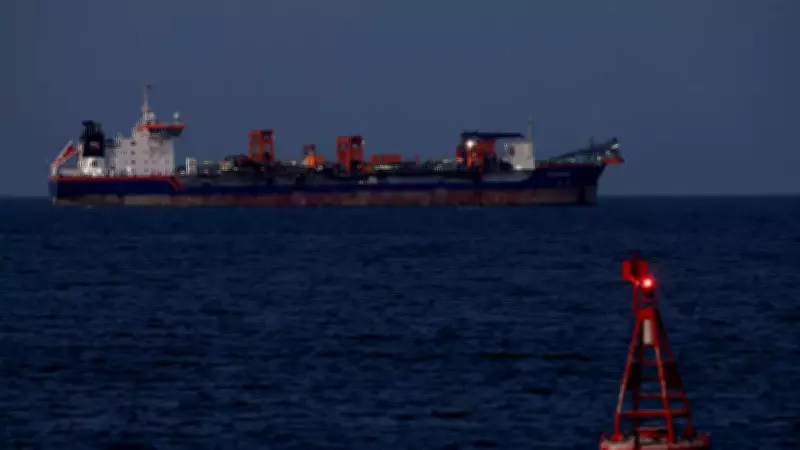
Two Indian LPG Tankers Transit Strait of Hormuz Amid Regional Tensions
In a significant development, two liquefied petroleum gas (LPG) tankers, BW Elm and BW Tyr, are currently navigating the Strait of Hormuz en route to India, according to recent ship-tracking data from LSEG and Kpler cited by Reuters. This movement signals a cautious resumption of shipping activities through the strategic waterway, which has been severely disrupted due to the ongoing US-Israeli conflict with Iran.
Shipping Disruption and Tehran's Stance
Shipping through the Strait of Hormuz has faced major interruptions amid heightened regional tensions. However, earlier this week, Tehran indicated a potential easing, stating that non-hostile vessels could pass through the corridor if they coordinate with Iranian authorities. This announcement has paved the way for limited maritime movements, as evidenced by the transit of the two India-flagged vessels.
Data reveals that BW Elm and BW Tyr have already crossed the Gulf and are now in the eastern stretch of the Strait. Their progress comes as India intensifies efforts to evacuate stranded LPG cargoes from the region, aiming to mitigate supply chain disruptions.

India's Evacuation Efforts and Stranded Ships
India has been actively working to secure its energy imports, with four tankers—Shivalik, Nanda Devi, Pine Gas, and Jag Vasant—successfully moved out of the area so far. Despite these efforts, several Indian vessels remain stuck. As of Friday, 20 Indian-flagged ships, including five LPG carriers, were still stranded in the Gulf, according to Rajesh Kumar Sinha, special secretary in the shipping ministry.
Additional carriers such as Jag Vikram, Green Asha, and Green Sanvi remain positioned in the western Strait of Hormuz, as shown by LSEG data. This situation underscores the ongoing challenges in maritime logistics amid the geopolitical standoff.
Impact on India's Energy Supplies
The disruption in the Strait of Hormuz has raised serious concerns about India's energy supplies. India consumed 33.15 million metric tonnes of LPG last year, with imports meeting approximately 60 percent of the total demand. Notably, nearly 90 percent of these imports originate from the Middle East, making the region critical for India's energy security.
The cautious transit of BW Elm and BW Tyr highlights India's strategic efforts to navigate the complex geopolitical landscape while ensuring a steady flow of essential energy resources. As tensions persist, the global community watches closely, with implications for international trade and energy markets.






