

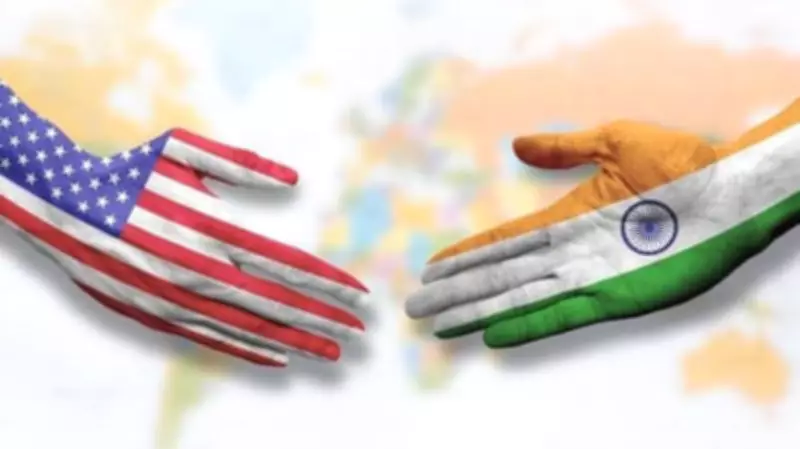
Indian Trade Delegation to Embark on US Visit for Bilateral Agreement
An Indian delegation is scheduled to travel to the United States next week to engage in discussions aimed at finalizing a bilateral trade agreement between the two nations. This visit follows several rounds of negotiations that have been ongoing to strengthen economic ties and address trade barriers.
Background on the Trade Framework
In February of this year, India and the United States announced the release of a framework for an interim trade agreement. This framework outlines key objectives, including a commitment to substantially reduce tariffs on various goods and services. The agreement is seen as a significant step towards enhancing trade relations and boosting economic cooperation between the two countries.
The framework was developed after multiple rounds of talks, reflecting the mutual interest in resolving trade disputes and fostering a more balanced trade environment. It addresses issues such as market access, intellectual property rights, and regulatory practices, aiming to create a more predictable and transparent trading system.

Objectives of the Upcoming Visit
The upcoming visit by the Indian delegation is expected to focus on advancing the discussions based on the established framework. Key areas of negotiation will likely include:
- Tariff Reductions: Working towards specific agreements on lowering tariffs for products like agricultural goods, textiles, and electronics.
- Trade Facilitation: Enhancing procedures to streamline customs and reduce trade barriers.
- Investment Opportunities: Exploring avenues for increased investment in sectors such as technology, healthcare, and infrastructure.
This visit underscores the importance both nations place on strengthening their economic partnership, which has faced challenges in recent years due to trade imbalances and policy differences.
Implications for Global Trade
The bilateral trade agreement between India and the US holds significant implications for global trade dynamics. As two of the world's largest economies, their collaboration could set precedents for other nations and influence international trade policies.
Experts suggest that a successful agreement could lead to increased trade volumes, job creation, and economic growth in both countries. It may also help in addressing broader geopolitical concerns by fostering closer ties between democratic nations in the Indo-Pacific region.
The outcome of next week's talks will be closely monitored by stakeholders worldwide, as it could pave the way for more comprehensive trade deals in the future.






