

India's Major Trade Commitment: $100 Billion Annual US Imports for Five Years
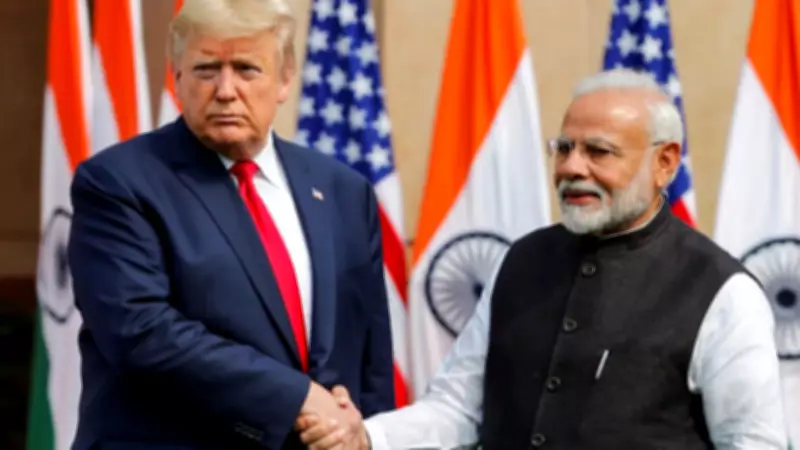
In a significant development for international commerce, India has formally committed to purchasing $100 billion worth of American products annually for the next five years. This substantial trade agreement, announced as part of the India-US trade deal, represents a major shift in bilateral economic relations between the two nations.
Key Components of the Import Commitment
The $100 billion annual import commitment will primarily focus on several high-value sectors. According to official sources, aircraft and aircraft parts, technology items, precious metals, oil and energy products, nuclear materials, and various agricultural goods will dominate the import basket. This commitment marks a substantial increase from current import levels, as New Delhi currently imports $45.62 billion worth of American goods while exporting $86.51 billion to the United States.
US Tariff Reductions and Market Access
Concurrent with India's import commitment, the United States has agreed to significantly reduce tariffs on Indian goods. US President Donald Trump announced the reduction of tariffs from 50% to 18%, a move that will take effect immediately according to his statements. This reciprocal arrangement creates a more balanced trade environment between the two economic powers.

During the announcement of the trade deal, President Trump emphasized that India would purchase over $500 billion worth of American energy, technology, agricultural products, and coal among other commodities over the coming years. He specifically noted that "The Prime Minister (Narendra Modi) also committed to 'BUY AMERICAN' at a much higher level" in his public statements.
Agricultural Safeguards and Sensitive Products
Despite the broad market access granted to American products, Indian officials have clarified that important protections remain in place for sensitive agricultural sectors. The government has maintained safeguards on genetically modified (GM) products, soya, poultry, maize, cereals, and corn. These protections align with New Delhi's established position in free trade agreements with other nations.
Officials explained that agricultural market access has been structured through a categorization system:
- The most sensitive agricultural items have been either excluded entirely or granted maximum protection
- Other agricultural products have been opened through carefully managed quotas and limits
- This approach mirrors India's previous market access agreements with partners like New Zealand and the European Union
Addressing Farmer Concerns and Domestic Priorities
Prime Minister Narendra Modi has repeatedly emphasized his commitment to protecting Indian farmers from adverse impacts of trade agreements. Following earlier tariff increases by the US, Modi stated he would not compromise on farmer welfare "even if it entailed paying a very heavy personal price." During his Independence Day address, he reinforced that the well-being of Indian farmers, fisherfolk, and cattle keepers remains the government's foremost priority.
Farmer organizations have expressed concerns about the potential impact of increased US agricultural imports. The Indian Coordination Committee of Farmers Movements (ICCFM) previously warned that granting duty-free access to American farm products could have serious consequences, noting that the US has significant agricultural surpluses it may seek to export to markets like India.
Broader Economic Implications and Future Steps
The $100 billion annual import commitment closely resembles India's total imports from China, signaling a potential shift in global trade patterns. Government officials noted that most products entering India from the US under zero-duty arrangements may not directly compete with domestic Indian goods, potentially mitigating market disruption.
In related policy moves, the Indian government addressed some American demands through recent budgetary measures, including:

- Granting tax breaks to foreign companies operating data center services from India
- Reducing duties on aircraft and nuclear products that have been consistently requested by the US in trade negotiations
US Agriculture Secretary Brooke Rollins welcomed the agreement, stating that the trade deal will improve access to American farm products in "India's massive market" and help reduce America's agricultural trade deficit with India, which stood at $1.3 billion in 2024.
Both nations are expected to release a joint statement in the coming days, followed by the formal negotiated text of the agreement. This comprehensive trade arrangement represents a new chapter in India-US economic relations, balancing market access with domestic protections while establishing substantial trade commitments for the next five years.





