

Government Emphasizes Agricultural Protection in Trade Agreement Discussions
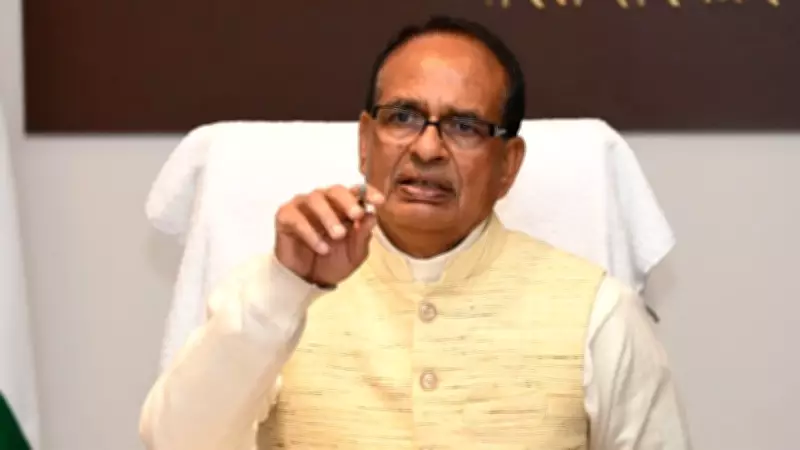
Agriculture Minister Shivraj Singh Chouhan has provided crucial insights into India's approach to Free Trade Agreement (FTA) negotiations, emphasizing the government's commitment to safeguarding domestic agricultural interests. In a detailed written response to Parliament, Chouhan outlined the protective measures embedded within India's trade negotiation strategy.
Comprehensive Safeguards for Sensitive Sectors
The minister confirmed that India engages in FTA discussions only after implementing careful protective mechanisms for agriculture, allied sectors, and farmers—particularly small and marginal agricultural producers. Chouhan specifically highlighted that adequate safeguards are systematically built into agreements to shield sensitive areas like agriculture and dairy from potential unfair international competition.
"India maintains its status as a net agricultural exporter while pursuing trade agreements," Chouhan stated in his Lok Sabha reply. This declaration comes as the government balances trade expansion with domestic agricultural protection, ensuring that farmer livelihoods remain secure amidst global market integration.

Addressing Specific Parliamentary Concerns
The minister's response addressed concerns raised by Congress member Rajmohan Unnithan regarding potential adverse effects of proposed FTAs—including with the United States—on Indian agriculture and the dairy sector. Unnithan had specifically questioned whether these agreements might expose small and marginal farmers, particularly in Kerala regions like Kasaragod, to unfair competitive pressures.
Chouhan's parliamentary statement serves as the government's formal position on these agricultural trade concerns, though he has yet to issue an official response regarding US President Donald Trump's recent announcement about the India-US trade deal.
Ongoing Farmer Dialogue and Issue Resolution
Beyond trade negotiations, the agriculture minister detailed the government's proactive approach to addressing farmer concerns through sustained dialogue. Following the repeal of the three farm laws in 2021, the government conducted seven rounds of discussions across two phases with farmer organizations including Samyukta Kisan Morcha (SKM) and Kisan Mazdoor Morcha (KMM).
These discussions, held between February 2024 and March 2025 at the Union Agriculture Minister level, have addressed numerous critical issues including:
- Concerns related to the Electricity Amendment Bill
- Establishment of national commissions for spices like chilli and turmeric
- Protection of tribal community rights over natural resources
- Strengthened penalties for counterfeit agricultural inputs
- Rationalization of regulations regarding paddy-straw burning
Context of Recent US Trade Developments
Chouhan's parliamentary statement emerges alongside significant trade developments between India and the United States. President Trump recently announced a major breakthrough in bilateral trade negotiations, indicating that India has agreed to purchase approximately USD 500 billion worth of American commodities including energy products, agricultural goods, and coal.
US Secretary of Agriculture Brooke Rollins noted that this prospective agreement would expand market access for American farm products in India while addressing the US agricultural trade deficit with India, which reached USD 1.3 billion in 2024. These developments highlight the complex balancing act India faces in pursuing international trade opportunities while protecting its agricultural sector and farmer interests.
The government's approach, as articulated by Chouhan, emphasizes that agricultural protection remains non-negotiable in all trade discussions, ensuring that India's farming communities receive adequate safeguards regardless of international market pressures or trade agreement requirements.






