

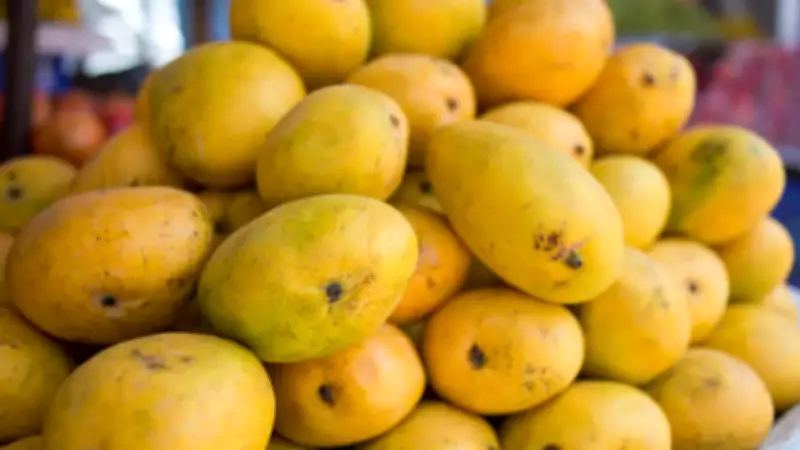
India's Mango Paradox: World's Largest Producer Exports Mere 1%
The mango, celebrated as the King of Fruits, is a quintessential summer delight in India, cherished for its vibrant color, intoxicating aroma, and succulent taste. Beyond its culinary appeal, this golden fruit is a nutritional powerhouse, offering up to 40% of daily dietary fiber needs along with potassium, beta-carotene, and antioxidants that combat heart disease, cancer, and cholesterol. Cultivated across tropical and subtropical regions from sea level to 1,500 meters, mangoes thrive at around 27°C, with state-of-the-art pack houses ensuring quality in major production zones. Yet, a pressing question looms: why does India, the globe's foremost mango producer, export only 1% of its harvest? This article delves into the data and underlying factors.
Mango Production Data: A Dominant Yet Domestic-Focused Industry
According to the Agricultural and Processed Food Products Export Development Authority (APEDA), India boasts approximately 1,000 mango varieties, though only a select few are commercially cultivated nationwide. These varieties have specific eco-geographical requirements, with Northern and Eastern types typically bearing fruit later than those from Southern and Western regions. In extreme southern areas, some local varieties yield mangoes year-round.
The major mango-growing states include:

- Uttar Pradesh (leading with 26.75% share and highest productivity in 2023-24)
- Andhra Pradesh
- Bihar
- Karnataka
- Gujarat
- Madhya Pradesh
- Tamil Nadu
Globally, India's dominance is staggering, producing over 45% of the world's mangoes. However, this massive output is primarily consumed domestically, with exports remaining minimal.
The 1% Export Reality: Domestic Demand vs. Global Trade
Experts highlight that India's domestic mango market, valued at roughly USD 2.90 billion in 2025 and projected to reach USD 3.97 billion by 2030, absorbs the vast majority of production. With a population of 1.4 billion, local demand is immense, making the marginal returns from exports less attractive. In 2024, India's mango export revenue was a mere $60 million, starkly contrasting with Mexico, the largest exporter, which earned $575 million from 2023 to 2025.
This disparity underscores a key issue: India's focus on satisfying its own market leaves little surplus for international trade, compounded by logistical hurdles.
Export Challenges: Navigating Perishable Goods Logistics
A study titled Challenges Faced by Mango Exporters reveals that exporting perishable items like mangoes involves significant obstacles, including:
- High international freight charges
- Difficulties in customs clearance
- Sanitary and phytosanitary measures
- High local transportation costs
- Lack of standardization in post-harvest handling
- Poor infrastructure, such as cold storage and pack houses
- Challenges in finding reliable foreign distributors
- Unavailability of market information
- Price fluctuations and supply issues
- Problems with pricing due to exchange rate volatility
The export process in India is notably time-consuming and complex, partly due to stringent documentation requirements. Exporters must prepare numerous documents for each stage—pre-booking, booking, post-booking, and discharge—with specific needs for different cargo types. For instance, food products require health and safety certificates. Additionally, planning is critical as certification authorities at Indian ports are not available 24/7, adding to delays.
Root Causes: A Blend of Demand and Supply Issues
Ultimately, India's low mango export rate stems from a combination of factors. The overwhelming domestic consumption driven by a large population reduces the incentive to prioritize exports. Simultaneously, logistical and infrastructural challenges make the export process cumbersome and costly. Addressing these issues could potentially boost India's global mango trade, but for now, the nation remains a producer that largely feeds its own people, leaving the world with just a sliver of its prized fruit.






