Goa Stakeholders Reject Dog Relocation as Solution to Human-Animal Conflict
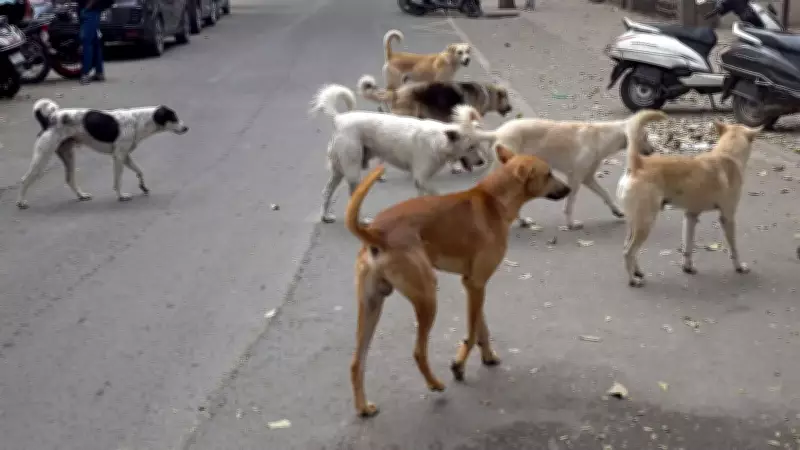
In a high-level meeting organized by the tourism department on Thursday, stakeholders and animal welfare experts in Goa delivered a firm verdict: relocating community dogs is neither a practical nor effective strategy for resolving human-animal conflicts. The gathering highlighted that such moves merely shift problems to new areas, often exacerbating territorial disputes and increasing stress among the animals.
Systemic Solutions Take Center Stage
The discussion pivoted toward long-pending systemic measures, with a strong emphasis on the urgent implementation of dog registration by municipal bodies and panchayats. This initiative, which has been delayed for nearly a decade, was identified as a critical step forward. Experts argued that proper registration would:
- Curb the abandonment of pets
- Enhance accountability among pet owners
- Reduce instances of conflict between humans and dogs
The only exception to the no-relocation rule, as noted by representatives from Mission Rabies Goa and People For Animals, is for sick or injured dogs, which should be moved to shelters for necessary treatment.

Waste Management and Sterilization as Key Factors
Garbage and food waste management emerged as another pivotal issue during the meeting. Participants pointed out that unregulated waste disposal not only sustains but also increases stray dog populations by providing a readily available food source. They called for stricter enforcement by local authorities to manage waste effectively, thereby addressing a root cause of the problem.
Additionally, the need for regular sterilization drives was highlighted as essential for stabilizing and gradually reducing dog populations over time. This approach aims to create a sustainable balance in community dog numbers.
Education for Long-Term Change
Dr. Murugan Appupillai, director of education at Mission Rabies Goa, stressed the importance of educational initiatives. "Teaching children and communities about dog bite prevention, responsible behavior around animals, and proper waste disposal is essential for achieving long-term change," he stated. This educational component is seen as vital for fostering a harmonious coexistence between humans and animals.
The meeting concluded with a consensus that a multi-faceted approach—combining registration, waste control, sterilization, and education—offers the most viable path forward, moving beyond temporary fixes like relocation to build a more sustainable solution for Goa's human-animal dynamics.