In a surprising turn of events, India's exports to the United States witnessed a sharp 22 per cent surge in November 2024. This impressive growth comes despite the burden of 50 per cent tariffs imposed by the US, which had rendered many Indian products uncompetitive in the American market for months. The November performance marks a strong rebound after two consecutive months of decline in September and October.
Four Pillars of the November Export Boom
Analysts point to a confluence of four major factors that powered this unexpected export resilience. While the numbers are robust, questions remain about the long-term sustainability of this growth, especially without a formal trade deal between the two nations.
1. Exporters Absorb Costs, Betting on a Future Deal
A primary driver appears to be the strategic decision by Indian exporters to absorb the high tariff costs. They are maintaining market access in anticipation of an imminent trade deal with the US, hoping the 25 per cent tariffs will be revoked. This expectation is fueled by India's recent steps to meet key US demands, including ramping up crude oil imports, signing an energy deal to source 10 per cent of its LPG from the US, and moves to open its nuclear sector.

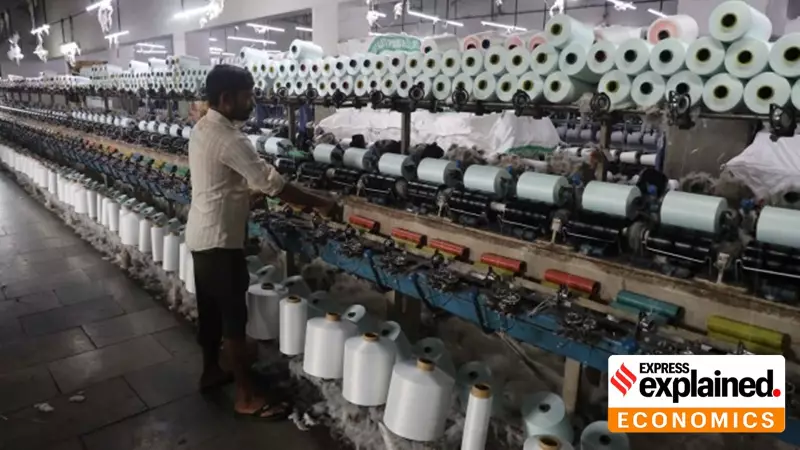
However, this strategy has a downside. Exporters report that fresh orders from the US have dried up, with most existing orders concluding by December. Competitors like Vietnam and Bangladesh are already capturing orders moving away from India. For instance, textile exporters from Tiruppur have reportedly lost winter orders worth nearly Rs 7,000 crore, threatening the long-term health of the manufacturing hub.
2. Diversification and Global Geopolitics Play a Role
November's export growth was not limited to the US. Shipments to China skyrocketed by 90 per cent, while exports to Hong Kong grew 35 per cent. This surge, particularly in sectors like seafood, is partly attributed to Beijing restricting imports from Japan amid recent tensions, opening a window for Indian suppliers.
Furthermore, exports to European markets like Germany, Spain, and Belgium surged by 25 per cent, 180 per cent, and 30 per cent respectively. This is linked to the impending Carbon Border Adjustment Mechanism (CBAM) set for implementation from January 1, 2025. Indian engineering goods exporters, facing a new tax next year, likely rushed shipments ahead of the deadline, triggering a stocking effect.
3. Low Base Effect and Red Sea Crisis Impact
The impressive year-on-year growth figures are also magnified by a low base from November 2023. At that time, exports were already bearing the brunt of the Red Sea crisis, which began in October 2023. Houthi rebel attacks had disrupted shipping, causing container shortages and forcing longer, costlier routes via the Cape of Good Hope.
While major shipping lines still avoid the Red Sea, ceasefire talks in Gaza have raised hopes for reduced attacks. Notably, the Suez Canal Authority stated that Maersk would partially resume transit in early December, though the company itself has not confirmed a date.
4. Strong Performance in Tariff-Exempt Sectors & Rupee Depreciation
Growth was led by product categories exempt from US tariffs. Electronics exports grew 38 per cent, while drugs and pharmaceuticals expanded by 20 per cent. The US also added items like tea, coffee, and spices to the exempted list, boosting these segments. Engineering goods, India's largest export category, stabilized with over 30 per cent growth.
Adding tailwinds was the depreciation of the Indian rupee, which fell to a record low of 90.79 against the US dollar in December. A weaker rupee makes Indian exports more price-competitive for foreign buyers. In November, the rupee was 5.6 per cent weaker against the dollar compared to the same month last year.
Is the Surge Sustainable?
While the November data paints a bullish picture, the underlying trends suggest caution. The reliance on cost-absorption by exporters is not a long-term solution. The decline in new orders indicates that the current surge may be a short-term phenomenon driven by specific factors like pre-CBAM stocking and geopolitical shifts.

The need for a comprehensive India-US trade deal remains critical for sustained, tariff-free access to the valuable American market. Without it, India risks ceding ground to other low-cost manufacturing nations. The resilience shown in November is commendable, but its true test will be in the coming months as temporary advantages fade.