







Politics
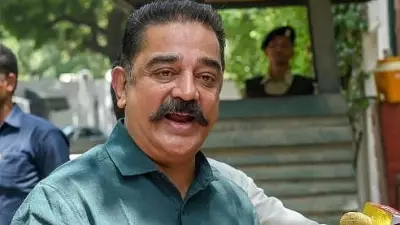
Kamal Haasan Criticizes TVK's Vijay, Denies Exploiting MGR and Sivaji Ganesan
Actor-politician Kamal Haasan, while campaigning for DMK candidate Inigo S Irudayaraj in Tiruchirapalli East, accused TVK's Vijay of exploiting Tamil cinema icons M G Ramachandran and Sivaji Ganesan for political gain, asserting he never took such advanta





World

Louisiana Mass Shooting Tragedy: US House Observes Silence, Governor Announces Relief
The US House observed a moment of silence for eight children killed in a Shreveport mass shooting. Governor Jeff Landry described the tragedy as unprecedented and announced relief measures.



Entertainment

Diane Keaton's Personal Collection Heads to Auction Eight Months After Her Passing
A vast collection of Diane Keaton's art, fashion, film memorabilia, and personal items will be auctioned by Bonhams in June 2026, offering a glimpse into her creative legacy.



Business

Kia India Launches 2026 Syros with New Variants and Lower Starting Price
Kia India introduces the 2026 Syros with rejigged variants, making features more accessible and adding affordable diesel-automatic options. Starting price reduced by Rs 27,000.


Sports




Lifestyle





Technology
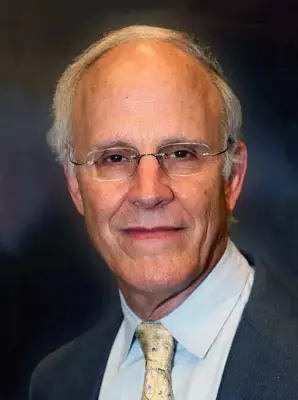
Human Extinction May Block Theory of Everything Discovery
Leading physicists including Nobel laureate David Gross warn that existential threats to humanity could prevent scientists from ever achieving the ultimate goal of unifying all fundamental forces of nature.

Snap CEO Questions Meta's Ray-Ban Smart Glasses Partnership
Snap CEO Evan Spiegel raises concerns about Meta's partnership with EssilorLuxottica for Ray-Ban smart glasses, suggesting it benefits Meta more while potentially harming the eyewear brand's premium positioning and margins.

Crypto Scam Targets Ships Trapped in Strait of Hormuz
Maritime risk firm MARISKS warns of fraudulent messages promising safe passage through the blocked Strait of Hormuz in exchange for Bitcoin or Tether payments, exploiting the ongoing geopolitical crisis.

Meta Hires 3 More from Murati's $12B AI Startup
Meta has hired three more employees from Thinking Machines Lab, the $12 billion AI startup founded by former OpenAI CTO Mira Murati, as part of its aggressive recruitment strategy in the AI space.

Xiaomi Launches Redmi A7 and A7 Pro 4G Phones in India
Xiaomi has launched the Redmi A7 4G and Redmi A7 Pro 4G in India, starting at Rs 10,499. Featuring Unisoc processors, up to 120Hz displays, and 13MP cameras, sales begin April 23, 2026.
