India's largest airline, IndiGo, has been forced to cancel a massive number of flights, plunging air travel into chaos. The airline's chief executive officer confirmed that over 1,000 flights were cancelled in a single day as the carrier struggles with severe operational disruptions.
CEO Explains Reason for Massive Cancellations
The IndiGo CEO provided a clear rationale for the drastic step. He stated that the cancellations were a strategic move made to reposition the airline's crew and aircraft. The aim is to ensure that both resources are in the correct locations to start afresh from the next morning. This reset, while causing significant immediate inconvenience, is intended to pave the way for a more stable and reliable schedule.
Timeline for Return to Normal Operations
Passengers desperate for clarity received a tentative timeline from the airline's top boss. He assured the public that IndiGo is working tirelessly to return to its normal flight schedule between December 10 and 15. This window gives the airline several days to systematically resolve the cascading issues that led to the meltdown.

Wider Impact and Government Response
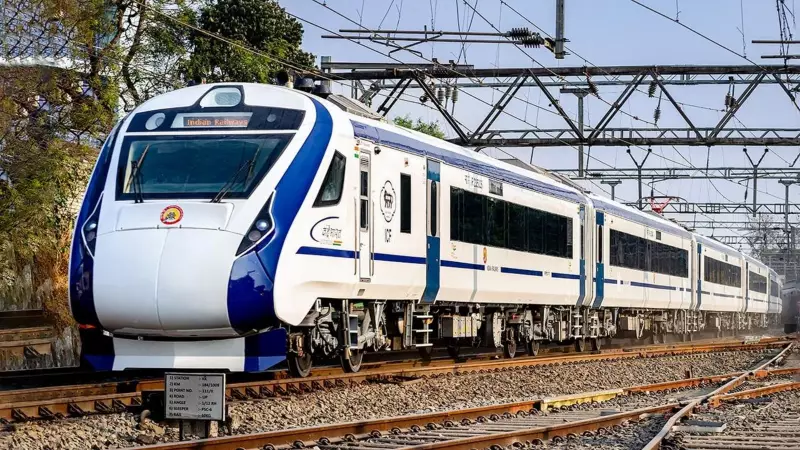
The fallout from the IndiGo crisis has rippled across the Indian travel ecosystem. With thousands of passengers stranded, the Indian Railways has stepped up its action on the ground, likely adding capacity or special services to accommodate displaced air travelers. Simultaneously, the central government has taken serious note of the situation. Authorities have formed a high-level inquiry committee to investigate the root causes of the failure. This probe will seek to determine exactly what went wrong within IndiGo's operations, signaling regulatory scrutiny over the airline's handling of the crisis.
Industry observers and editorial pieces have been quick to analyze the event. Many point out that the IndiGo operational meltdown has exposed a harsh truth about the fragility and capacity constraints within the country's aviation infrastructure, especially when its largest player faces systemic issues. The event underscores the need for greater resilience and contingency planning in the sector.