Indo-Tibet Trade Set to Resume via Shipki La Pass in June After COVID-19 Hiatus
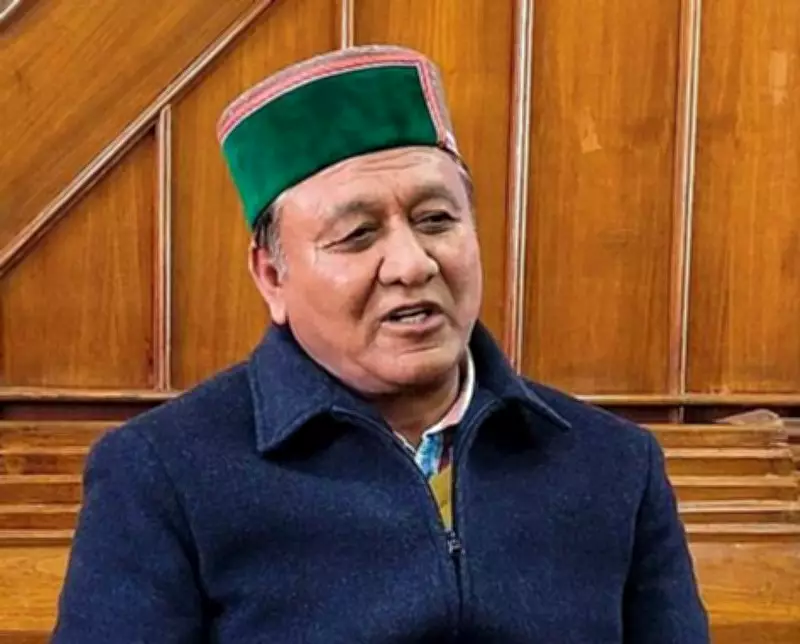
In a significant development for cross-border commerce, the Indo-Tibet trade through the Shipki La pass in Kinnaur, Himachal Pradesh, is scheduled to resume in June this year. This revival comes after a suspension in 2020 due to the COVID-19 pandemic, as announced by Tribal Development and Revenue Minister Jagat Singh Negi on Sunday.
Economic Boost and Employment Opportunities
Minister Negi emphasized that the resumption of trade is expected to provide a substantial boost to commerce and generate employment in Kinnaur and surrounding regions. He noted that many restrictions, including security concerns, had previously limited access for tourists and traders. With these curbs now easing, the move aims to revitalize local economies and foster sustainable growth.
Historical Context and Traditional Practices
The Indo-Tibetan trade has a rich history dating back centuries. In 1697, a formal treaty was signed between Tibet (Ganden Phodrang) and Raja Kehari Singh of Bushahar, ensuring safe passage and cementing a long-term trade partnership. Historically, trade was conducted on a barter basis via the old Hindustan-Tibet road, relying on 'gamgya'—a traditional folk oath of mutual trust—rather than written contracts.

- Tibetan traders imported items such as quality wool, sheep, salt, yak tails, and raw silk.
- Indian traders exported goods like copperware, rice, textiles, tea, and agricultural tools.
This trade was largely halted in 1962 due to the Sino-Indian War but saw a limited, regulated resumption in 1994 before being discontinued again during the COVID-19 pandemic in 2020.
Call for Infrastructure Development
Minister Negi also urged the Union government to develop the Shipki La pass road to facilitate the Kailash-Mansarovar Yatra. He highlighted that building just 3 to 4 kilometers of connectivity would create a smoother and shorter journey for pilgrims. The Kailash-Mansarovar site holds great importance for followers of Hindu, Buddhist, and Jain faiths, and opening this route is expected to boost adventure tourism and increase tourist inflow. Negi called on Members of Parliament from Himachal Pradesh to advocate for this demand.
Future Prospects and Local Demands
Negi expressed hope that trading activities would resume in June, once weather conditions improve. He acknowledged that traditional trade had remained in limbo for several years, with local traders' unions and associations persistently demanding its revival. The resumption is seen as a crucial step towards restoring historical trade ties and enhancing regional prosperity.