

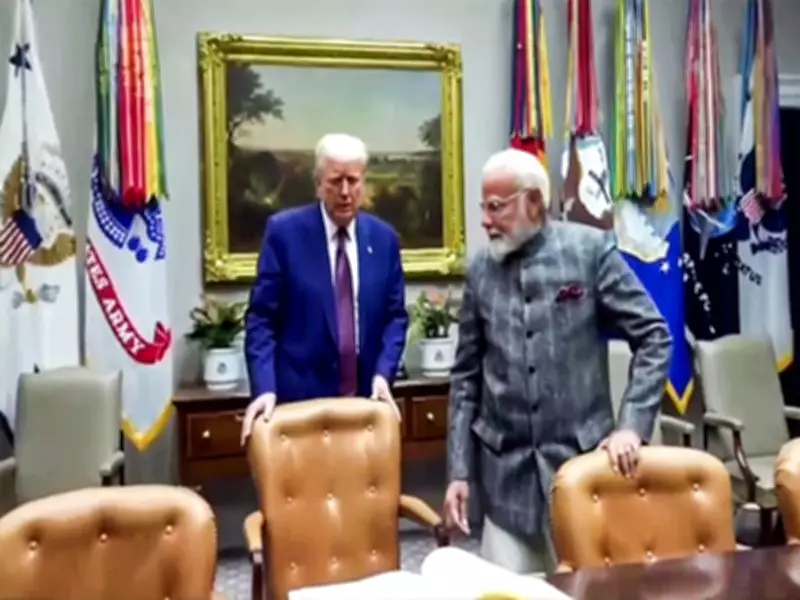
The recent announcement of a comprehensive trade agreement between India and the United States has been met with widespread approval from industry stakeholders across the nation. Business leaders and trade associations have expressed optimism that this landmark deal will significantly reduce tariffs on various goods, thereby fostering a more competitive environment and stimulating economic expansion.
Key Benefits and Sectoral Impact
Industry experts believe that the tariff reductions outlined in the agreement will lower import costs for American products in India and vice versa, making Indian exports more attractive in the US market. This is expected to benefit sectors such as pharmaceuticals, information technology, textiles, and agriculture, where India has a strong export potential. The deal is also anticipated to streamline trade procedures, reduce bureaucratic hurdles, and enhance market access for both countries.
Boosting Competitiveness and Innovation
By lowering trade barriers, the agreement is poised to boost the competitiveness of Indian industries on a global scale. Companies will have greater access to advanced technologies and raw materials from the US, which can drive innovation and improve product quality. Additionally, increased trade flows are likely to attract more foreign investment into India, further strengthening the industrial base and creating job opportunities.

Long-Term Growth Prospects
The trade deal is seen as a strategic move to deepen economic ties between India and the US, two of the world's largest economies. Industry leaders highlight that this partnership could lead to sustained growth over the long term, with potential spillover effects into other areas such as digital trade and intellectual property cooperation. The agreement is also expected to position India more favorably in global supply chains, enhancing its role as a key player in international trade.
Overall, the industry's positive reception underscores the deal's potential to transform trade dynamics, with tariff cuts serving as a catalyst for broader economic development and increased bilateral cooperation.






