

Iran Conflict Triggers Urea Supply Crisis, Puts India's Agricultural Sector at Risk
The ongoing war in Iran and the resulting transportation difficulties through the strategic Strait of Hormuz have plunged India into a precarious situation regarding its fertilizer supply. This geopolitical turmoil is already disrupting LPG imports and is poised to severely impact urea availability in the near future, threatening the backbone of the nation's agricultural productivity.
Critical Dependence on Hormuz Route Exposes Vulnerability
India imports between 20% to 30% of its total urea requirements, with a significant portion of these shipments traversing the volatile Strait of Hormuz. Compounding the issue, domestic urea production heavily relies on natural gas as a critical raw material, which is largely imported and has also been adversely affected by the Gulf conflict. Exporting nations are facing constraints, leading to reduced supply and consequently, escalating global prices.
Projections indicate that India will require approximately 390 lakh metric tonnes of urea for the kharif season of 2026. While the country has maintained a robust buffer stock, the cumulative effects of supply chain disruptions are expected to create significant pressure during this crucial agricultural period.

Urea: The Lifeline of India's Rice-Wheat Belt
Urea stands as the most vital fertilizer for Indian farmers, particularly in the prolific rice-wheat belt encompassing states like Uttar Pradesh, Punjab, Haryana, and Bihar. This dependence stems from the soil's substantial nitrogen deficiency, whereas phosphorus and potassium levels are relatively better. The rice-wheat farming system is intrinsically dependent on nitrogen for optimal growth and yield, making urea indispensable.
The Indian government heavily subsidizes urea, selling it at a controlled price of Rs 267 per 45kg bag, while the actual production cost ranges between Rs 2,200 to Rs 2,300 per bag. This policy places a severe strain on the national exchequer but is sustained to support farmer welfare and ensure the country's food security.
Subsidy-Driven Overuse and Environmental Consequences
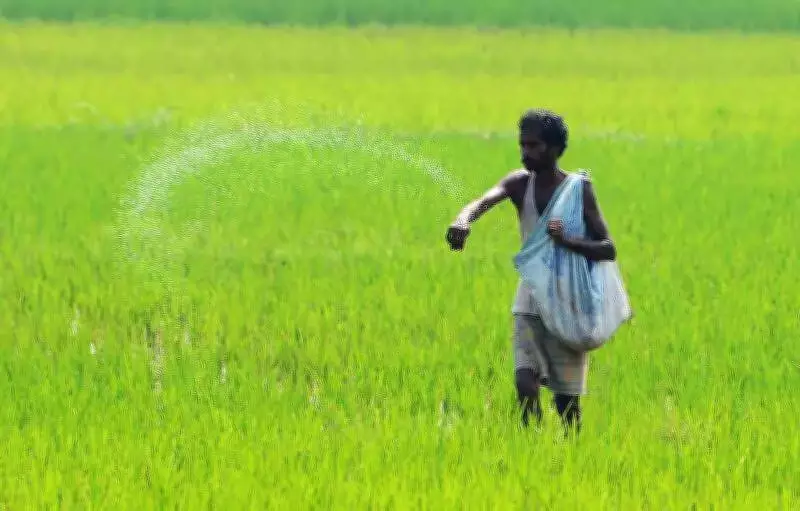
The substantial subsidy on urea has inadvertently led to its overuse by farmers. During paddy cultivation, it is common practice to apply urea three times. Since storing opened bags is challenging, farmers often use one full bag per acre per application, whereas the scientifically recommended dose is only 2.5 bags distributed across the three applications.
This over-reliance on urea is exacerbated by the reduced use of other fertilizers like DAP and MoP due to their higher costs. The excessive application has multiple negative repercussions: a portion converts to nitrous oxide, contributing to climate change; another fraction leaches into the soil, polluting groundwater; and it unnecessarily increases cultivation costs for farmers.
Strategic Solutions to Mitigate the Impending Crisis
In light of this alarming scenario, several urgent measures are proposed to safeguard India's agricultural interests, with particular emphasis on Uttar Pradesh:

- Promote Scientific Urea Usage: Farmers must be educated and encouraged to adhere strictly to scientific recommendations for urea application, avoiding wasteful overuse.
- Aggressively Encourage Nano Urea: The adoption of domestically manufactured nano urea, which is less dependent on imported raw materials, should be accelerated. The government must incentivize private sector production and introduce subsidies to make it accessible and attractive for widespread farmer adoption.
- Enhance Agricultural Extension Efforts: The agriculture department should intensify its outreach programs to demonstrate the correct methods for using a combination of traditional urea and nano urea effectively.
- Increase Farm Yard Manure (FYM) Utilization: Farmers should be urged to use FYM extensively at a rate of 7 quintals per acre per crop. This quantity can be feasibly obtained each season from just one cow or buffalo, promoting sustainable practices.
- Leverage Legume Cultivation: Utilize the current window for sowing nitrogen-fixing legumes like moong and urd during the summer (Zaid) season. These crops naturally enrich soil nitrogen levels, thereby reducing urea requirements for the subsequent kharif paddy season.
These interventions require immediate and decisive action from the government to preempt a full-blown fertilizer crisis and ensure agricultural stability.
The author is a former IAS officer and currently serves as principal consultant with PPG Advisory LLP, leading the Climate Smart Agriculture project FARMER in Uttar Pradesh.





