

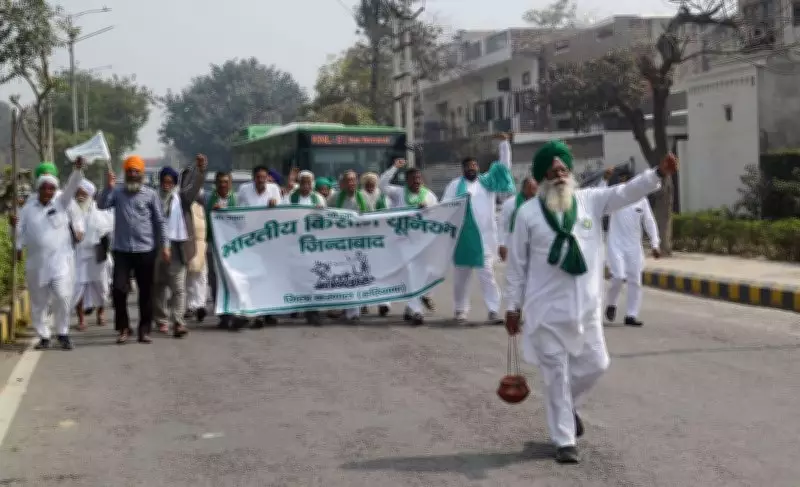
Karnal Farmers Stage March in Opposition to India-US Trade Agreement
In a significant demonstration of dissent, farmers from Karnal in Haryana took to the streets to protest against the proposed India-US trade deal. The march, which drew attention to agricultural grievances, highlighted widespread concerns among the farming community regarding potential negative impacts on local markets and livelihoods.
Protest Details and Farmer Demands
The protest march was organized by local farmer groups who fear that the trade agreement could lead to increased competition from US agricultural imports, potentially undermining domestic prices and threatening the sustainability of small-scale farming. Participants carried banners and chanted slogans, calling for greater protection of Indian agriculture in trade negotiations.
Key issues raised by the farmers include:

- Potential flooding of Indian markets with cheaper US agricultural products.
- Concerns over the impact on crop prices and farmer incomes.
- Demands for government assurances to safeguard local farming interests.
Broader Context of Trade Negotiations
This protest comes amid ongoing discussions between India and the United States to enhance bilateral trade relations. While such deals aim to boost economic ties, they often spark debates over their effects on sensitive sectors like agriculture. The Karnal march reflects a growing unease among Indian farmers about being sidelined in these high-stakes negotiations.
Farmers argue that trade policies must prioritize food security and rural employment, rather than solely focusing on export-import balances. They urge policymakers to conduct thorough impact assessments and engage in meaningful consultations with agricultural stakeholders before finalizing any agreements.
Implications for Haryana and National Agriculture
Haryana, a key agricultural state, has a history of farmer activism, and this protest underscores the region's pivotal role in national food production. The march in Karnal could signal similar movements in other parts of India, as farmers nationwide watch closely how trade deals might reshape their economic landscape.
As tensions rise, the government faces pressure to balance international trade ambitions with domestic agricultural stability. The outcome of these protests may influence future trade policies and farmer-government dialogues across the country.






