

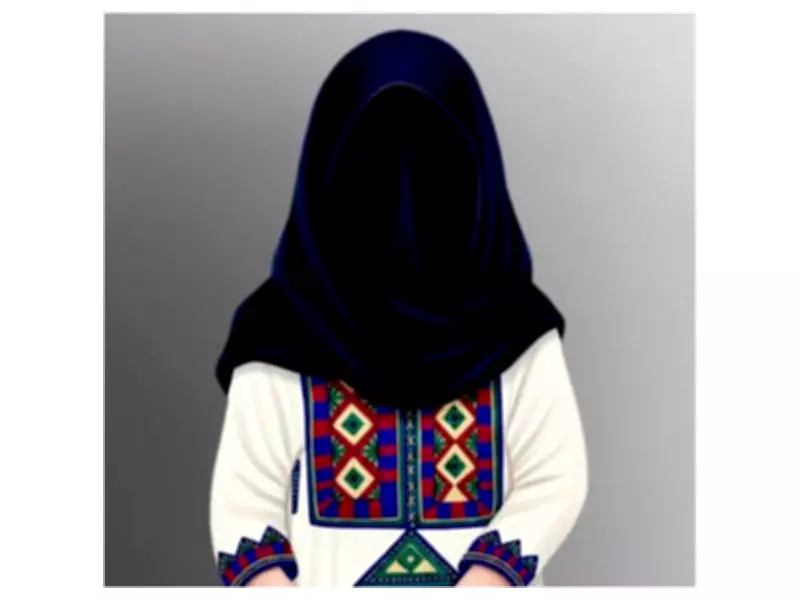
Missing Baloch Woman Accused of Facilitating Suicide Attack in Quetta After Six-Month Disappearance
In a development that has sent shockwaves through human rights circles, a Baloch woman who had been missing for six months has been presented by authorities as a facilitator of a suicide attack in Quetta, Pakistan. The case has ignited fierce debate over due process, forced confessions, and the treatment of minority groups in the region.
Details of the Case and the Allegations
The woman, whose identity has not been fully disclosed, was reportedly taken into custody half a year ago under unclear circumstances. Her whereabouts remained unknown until recently, when she was produced before the media and labeled as an accomplice in a suicide bombing incident in Quetta. Authorities claim she played a key role in facilitating the attack, though specific evidence has not been publicly detailed.
Human rights organizations have raised serious concerns about the handling of this case. They argue that the prolonged disappearance and subsequent presentation as a suspect violate fundamental legal and human rights principles. There are allegations that her confession may have been coerced during the period she was missing, casting doubt on the legitimacy of the charges.

Human Rights Groups Voice Outcry and Demand Transparency
Multiple human rights groups have condemned the authorities' actions, calling for an independent investigation into the woman's disappearance and the allegations against her. They emphasize that such practices undermine the rule of law and perpetuate a climate of fear, particularly among Baloch communities who have long reported enforced disappearances and extrajudicial actions.
- The groups highlight the lack of transparency in the judicial process, with no clear information on legal representation or access to family during her detention.
- Concerns are also raised about the broader implications for minority rights and security operations in Balochistan, a region plagued by insurgency and conflict.
- Activists demand immediate accountability and adherence to international human rights standards to prevent similar incidents in the future.
Broader Context and Regional Implications
This incident occurs against a backdrop of ongoing tensions in Balochistan, where separatist movements and security forces have clashed for years. The presentation of the missing woman as a terrorist facilitator is seen by some as part of a pattern to justify harsh measures, while others view it as a necessary step in combating extremism. However, the methods employed have sparked widespread criticism, with calls for a balanced approach that respects human dignity and legal norms.
The case underscores the urgent need for reforms in Pakistan's counter-terrorism strategies. Ensuring fair trials, preventing enforced disappearances, and protecting vulnerable populations are crucial to maintaining public trust and stability. As the situation unfolds, the international community watches closely, urging Pakistani authorities to uphold justice and transparency in all proceedings.






