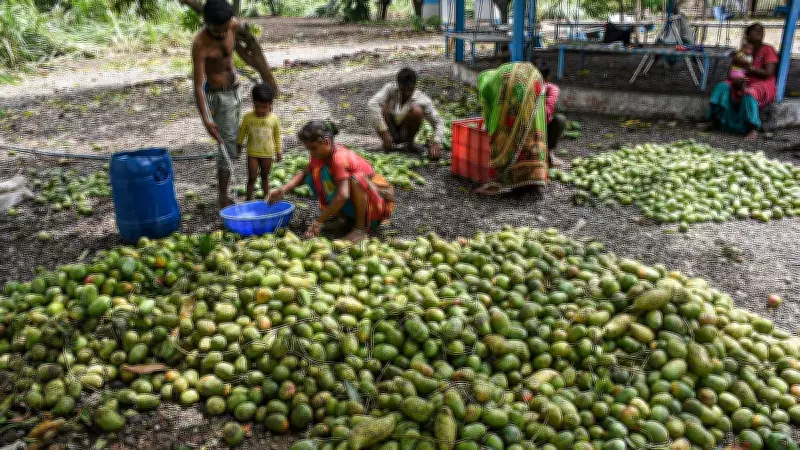
Karnataka Mango Growers Pivot to US and UK Markets as Gulf Exports Face Instability
In a strategic move to mitigate risks and diversify their international footprint, mango growers in Karnataka are actively exploring new export opportunities in the United States and the United Kingdom. This shift comes as traditional markets in the Gulf region, including Abu Dhabi, Iran, the United Arab Emirates, Kuwait, and Iraq, are experiencing heightened uncertainty that threatens the stability of fruit exports from the state.
Uncertainty in Established Gulf Markets Drives Strategic Realignment
For years, Karnataka's mango industry has relied heavily on exports to Gulf countries, where the fruit enjoys significant demand. However, recent geopolitical and economic fluctuations in these regions have introduced considerable unpredictability. Growers report facing challenges such as volatile trade policies, logistical disruptions, and shifting consumer preferences, which have collectively eroded confidence in these long-standing markets. This uncertainty has prompted a critical reassessment of export strategies to safeguard revenue and ensure sustainable growth.
Targeting High-Value Markets in the US and UK
The exploration of the US and UK markets represents a proactive effort by Karnataka's mango growers to tap into high-value destinations with robust demand for premium agricultural products. Key advantages of these new targets include:

- Stable Economic Environments: Both the US and UK offer more predictable trade frameworks and regulatory systems, reducing the risks associated with export operations.
- Growing Consumer Interest: There is an increasing appetite for exotic fruits like mangoes in these regions, driven by health trends and multicultural demographics.
- Potential for Higher Margins: Access to affluent markets could lead to better pricing and profitability compared to the more competitive Gulf sectors.
Industry experts emphasize that this pivot requires adapting to stringent quality standards, phytosanitary regulations, and advanced supply chain logistics prevalent in Western markets. Efforts are underway to enhance packaging, certification processes, and marketing initiatives to meet these demands effectively.
Implications for Karnataka's Agricultural Economy
This strategic shift holds significant implications for Karnataka's broader agricultural landscape. By diversifying export destinations, growers aim to:
- Reduce dependency on any single market, thereby minimizing vulnerability to regional crises.
- Boost overall export volumes and revenue, contributing to economic resilience in rural areas.
- Foster innovation in farming practices and post-harvest technologies to align with global standards.
While the transition may involve initial challenges, such as higher compliance costs and market entry barriers, stakeholders express optimism about the long-term benefits. Collaborative initiatives between government agencies, trade bodies, and farmers are being prioritized to facilitate this expansion and ensure Karnataka's mangoes gain a strong foothold in these lucrative new markets.
As the global trade landscape evolves, Karnataka's mango growers are demonstrating adaptability and foresight in navigating uncertainties. Their focus on the US and UK not only aims to secure stable export channels but also positions the state as a competitive player in the international fruit trade, potentially setting a precedent for other agricultural sectors facing similar challenges.