

Tech Giants Launch Legal Battle Against US Government Over Tariff Refunds
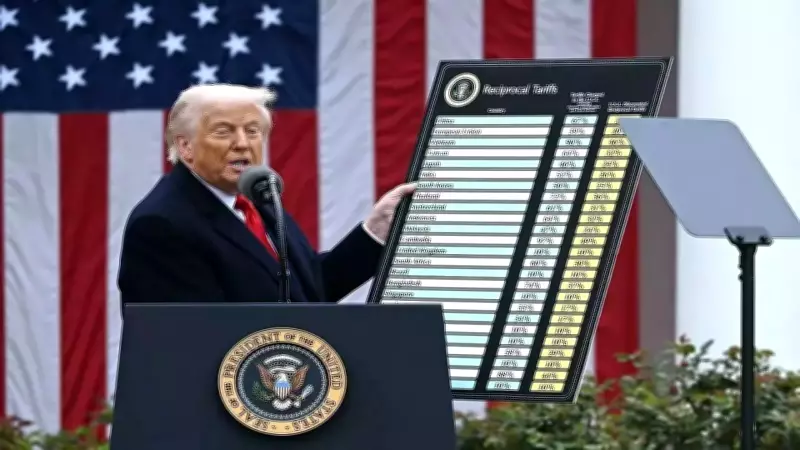
In a significant legal development, Chinese PC manufacturer Lenovo and several other prominent technology companies have initiated lawsuits against the United States government. These legal actions aim to secure refunds for tariffs that were imposed during the administration of former President Donald Trump. The move comes in the wake of a recent US Supreme Court decision that declared these tariffs unconstitutional, setting the stage for a potentially landmark financial and legal confrontation.
Supreme Court Ruling Sparks Wave of Lawsuits
On February 20, the US Supreme Court issued its opinion in the case of Learning Resources, Inc. v. Trump, finding that the Trump administration lacked the necessary authority under the International Emergency Economic Powers Act (IEEPA) to impose the tariffs in question. This ruling has opened the door for importers who paid these duties to seek reimbursement from the government. The world's largest PC maker by market share, Lenovo, wasted no time, filing its lawsuit at the United States Court of International Trade on the very same day as the Supreme Court's decision.
Lenovo's Legal Arguments and Financial Claims
In its detailed complaint, Lenovo, along with its subsidiary Motorola, stated that they import a wide range of products including computers, servers, monitors, mobile phones, and various accessories from countries such as China and Mexico. The company was compelled to pay substantial duties under the now-contested tariff orders. Lenovo's core argument hinges on the assertion that the IEEPA does not grant the US President the authority to impose tariffs, thereby rendering the duties collected by US Customs and Border Protection (CBP) unlawful.

Although Lenovo has already deposited the required tariffs, the company is aggressively seeking a court order that would declare these duties invalid, halt any further collection efforts, and mandate CBP to refund the payments with accrued interest. The lawsuit emphasizes that the US Constitution explicitly assigns Congress the power to impose tariffs and regulate foreign commerce, with any delegation of this authority needing to be clearly defined. Lenovo contends that the executive orders which imposed tariffs on goods from nations including Canada, Mexico, China, and India exceeded the legal boundaries set by the IEEPA.
Broader Coalition of Tech Companies Joins the Fight
Lenovo is not alone in this legal battle. A coalition of other major technology firms has filed similar lawsuits, creating a united front against the US government. This group includes:
- Nintendo of America
- Vacuum cleaner manufacturer Dyson
- Fitness wearable company Whoop
- Home security camera firm Wyze
- Printer producer Epson
These filings follow a consistent legal structure, with each plaintiff identifying as an importer and referencing the outcome of the Learning Resources case. They collectively argue that while the Supreme Court's jurisdiction does not extend to ordering refunds directly, the United States Court of International Trade should determine their entitlement to refunds of the duties paid, plus interest. Additionally, the plaintiffs are seeking coverage for their legal costs incurred during this process.
Potential Consumer Class Actions and Industry Implications
The lawsuits have ignited discussions about potential consumer class actions, as many companies adjusted their pricing strategies in response to the tariffs, leading to higher costs for end consumers. According to reports, law firm Arnold & Porter has indicated that such class actions, though currently "untested and in their early stages," could have "sweeping implications on businesses across virtually every industry." The firm warned that any company that implemented tariff-related fees or raised prices due to the now-invalidated IEEPA tariffs may face significant new legal exposure, advising businesses to evaluate their positions promptly.

Unanswered Questions and Future Legal Proceedings
Interestingly, the legal filings have not disclosed how the plaintiffs intend to utilize any refunds they might receive, leaving this aspect open to speculation. The case also references earlier court rulings that found similar tariffs unlawful, strengthening the plaintiffs' position. Lenovo argues that, as the importer of record, it has suffered direct financial harm, thereby establishing its standing to bring the lawsuit. The company is urging the court to rule the tariffs unconstitutional and to order the refund of duties already paid, setting a precedent that could impact numerous other importers and reshape international trade dynamics.





