

Deepening LPG Crisis Cripples Telangana's Hospitality Sector Amid Geopolitical Tensions
The ongoing conflict between Iran and Israel has triggered a severe liquefied petroleum gas (LPG) shortage in Telangana, with devastating consequences for the state's hospitality industry. Hotels, restaurants, and fast-food outlets are being forced to shut down or drastically scale back operations as commercial cylinder supplies have plummeted by over 50%.
Widespread Closures and Operational Challenges
Industry reports indicate that hundreds of establishments across the state are struggling to maintain normal service. The shortage is particularly acute in districts, where more than half of all hotels and eateries are already under severe financial stress. Many owners anticipate further closures in the coming weeks if the situation does not improve.
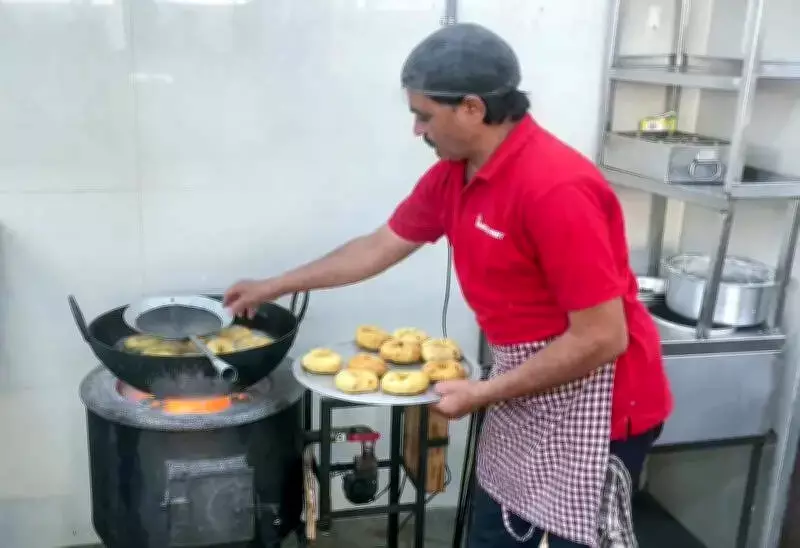
To cope with the unprecedented scarcity, numerous businesses have been compelled to alter their menus significantly. High gas-consuming items such as starters, rotis, and various curries have been removed from offerings, directly impacting customer choice and overall revenue streams. Some establishments have resorted to alternative cooking methods, including traditional wood-fired stoves, in a desperate bid to continue operations.

Compounding Economic Pressures on Food Businesses
The LPG crisis has been exacerbated by additional market disruptions that are squeezing profit margins even further. A sharp spike in chicken prices, coupled with ongoing supply chain issues in the poultry sector, has created a perfect storm for food service providers. These combined challenges are making it increasingly difficult for businesses to remain viable.
Human Toll: Migrant Workers Face Uncertain Future
The hospitality sector's collapse is having profound human consequences, particularly for the nearly five lakh migrant workers who form the backbone of Telangana's food service industry. These workers, primarily hailing from states including Bihar, Uttar Pradesh, Assam, Maharashtra, and Karnataka, now face mounting uncertainty about their livelihoods.
With business drying up rapidly, many employers are struggling to sustain operations, leading to widespread layoffs and reduced working hours. Thousands of migrant workers are being forced to consider returning to their native places as job prospects dwindle.
Prashanth Sahu, a migrant worker from Odisha who moved to Hyderabad with his brother after the second COVID-19 lockdown, shared his distressing situation: "We have settled here, and my children are studying in local schools. However, the restaurant owner has downsized operations, and many of us have been informed that we may lose our jobs if the situation worsens. We did not receive our full salary in March, and now I am forced to consider returning to farming in Odisha. I am particularly worried about my children's education."
Government Response and Calls for Intervention
Recognizing the severity of the crisis, Telangana's Civil Supplies Minister N Uttam Kumar Reddy has urgently appealed to the central government for immediate intervention. The minister has specifically requested increased allocation of commercial LPG cylinders to the state, warning of wider economic repercussions if the supply shortage persists.
The minister emphasized that the hospitality sector's collapse could trigger broader economic fallout, affecting not just business owners and workers but also related industries and local economies throughout Telangana.
This developing situation highlights how geopolitical conflicts in distant regions can have direct and immediate impacts on local economies and vulnerable workforce populations. The resolution of this crisis now depends on both diplomatic developments in the Middle East and effective governmental response mechanisms at both state and national levels.






