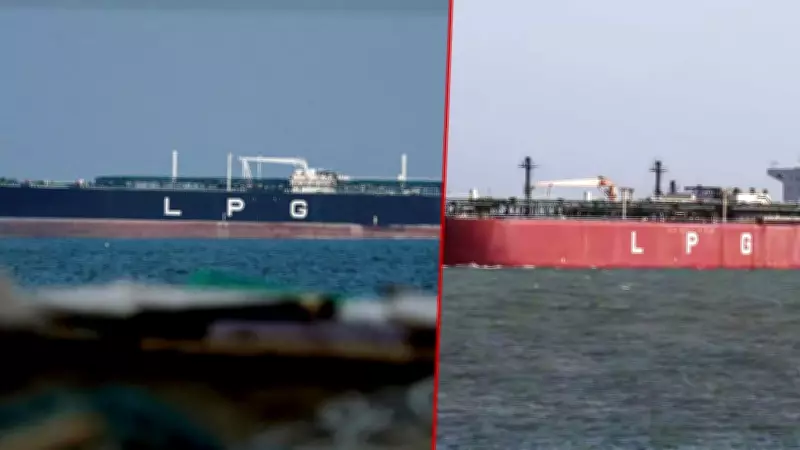
Indian LPG Carrier 'Shivalik' Successfully Docks at Gujarat's Mundra Port After Safe Hormuz Transit
In a significant development for India's energy security, the liquefied petroleum gas (LPG) carrier Shivalik has successfully completed its journey and docked at Mundra Port in Gujarat. The vessel, which was carrying a substantial cargo of over 40,000 metric tonnes of LPG, arrived safely on March 16, 2026, providing crucial relief amid ongoing concerns about potential energy supply disruptions.
Navigating Through Strategic Waters
The Shivalik's voyage took it through the strategically vital Strait of Hormuz, a narrow waterway that has been the focus of international attention due to regional tensions. To ensure the vessel's safe passage through these potentially risky waters, the Indian Navy provided escort protection, demonstrating India's commitment to securing its maritime energy transportation routes.
This successful transit comes at a critical time when global energy markets remain volatile and supply chain security has become paramount for energy-importing nations like India.

Broader Energy Transport Operations
The Shivalik is not operating in isolation. According to official reports, a second Indian LPG carrier named Nanda Devi had earlier exited the Strait of Hormuz and entered open waters, marking another successful step in India's comprehensive efforts to transport energy cargo through the Gulf region.
Together, these two vessels are carrying approximately 92,700 metric tonnes of LPG, which represents a substantial energy supply for the Indian market. To put this quantity in perspective, this volume of LPG is sufficient to fill approximately 65 lakh (6.5 million) domestic cylinders, highlighting the significant impact of these shipments on India's energy availability.
Ongoing Monitoring of Indian Vessels
The Shipping Ministry has reported that the situation for Indian-flagged vessels in the region continues to be closely monitored. Currently, there are 22 Indian-flagged vessels with 611 seafarers operating in the western Persian Gulf area.
These vessels and their crews remain under constant surveillance as part of India's comprehensive strategy to ensure the safety of its maritime assets and personnel in potentially volatile regions. The successful transit of the Shivalik and Nanda Devi demonstrates the effectiveness of these monitoring and protection measures.
Strategic Importance for Energy Security
The safe arrival of the Shivalik at Mundra Port represents more than just a successful shipping operation. It underscores India's growing capability to secure its energy supply lines despite geopolitical challenges in critical maritime chokepoints.
As one of the world's largest energy importers, India's ability to safely transport LPG and other energy resources through strategic waterways like the Strait of Hormuz is essential for maintaining stable energy supplies for both industrial and domestic consumers across the country.
The successful docking of the Shivalik at Mundra Port therefore marks an important achievement in India's ongoing efforts to enhance its energy security infrastructure and capabilities in an increasingly complex global energy landscape.