Mechanization of Agriculture Could Exclude Women Farmers Without Proper Tools, CIMMYT Warns
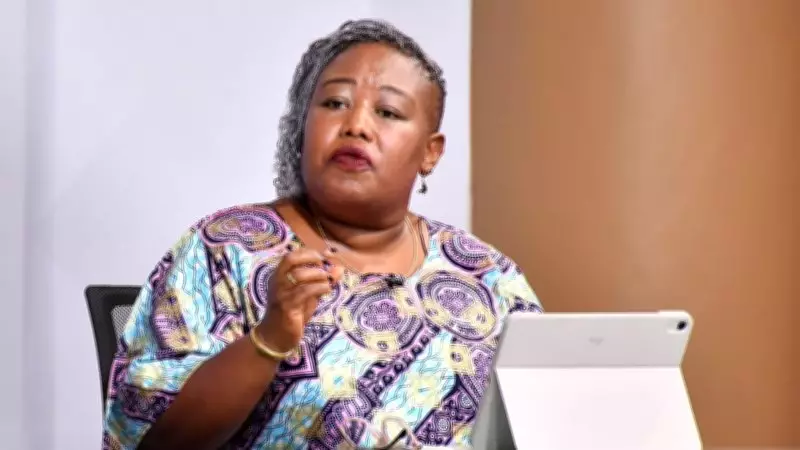
In a recent interaction with The Tribune, Maureen Miruka, Director of Gender Equity at the International Maize and Wheat Improvement Center (CIMMYT), emphasized that the mechanization of agriculture poses a significant risk of excluding women farmers involved in agri-food systems worldwide. This exclusion may occur if women are not equipped with the right tools to access larger markets and adequate finances.
Bridging the Digital Divide in Agriculture
Miruka noted that bridging the digital divide is a global challenge, particularly in the agriculture sector, where technological advancements can further alienate women farmers. "There is renewed thrust worldwide on bringing in more technology in agriculture to make it a profitable business," she said. "But according to a recent study we did in Bangladesh, people presume that if we mechanize agriculture, it automatically becomes a man's job. The society perceives women to be adept at only doing manual chores in farming."
Positive Trends and Challenges in India
Despite these challenges, Miruka highlighted a marked difference in how women are adopting technology and producing surplus, especially in India. She praised women's collectives for their excellent work in this area. CIMMYT has partnered with India for over five decades to enhance agricultural productivity and sustainability, collaborating with the Indian Council of Agricultural Research (ICAR) on initiatives such as climate-smart farming, heat-tolerant wheat, and high-yielding maize to improve food security.

Addressing Unpaid Labor and Child Care Needs
Miruka also referenced a report by the Food and Agriculture Organization (FAO), which emphasized the importance of opening child care centers in the agriculture sector to boost the productivity of women farmers. "Women involved in the agri-food business face the burden of 'reproductive, productive and community' roles," she explained. "FAO had in its report highlighted how the global community is lagging in building day care centers for women farmers."
Furthermore, she underlined the critical need for more data on the unpaid labor performed by women farmers. "In India and even my country, Kenya, 50 percent of women make a living out of agriculture, most of it is unpaid labour. But there is no concrete data available about it, so we are unable to effectively diagnose the problem. Data is transformed into information, which then takes the form of policies," she stated.
Call for Gender-Sensitive Farming Ecosystems
Dr. Bram Govaerts, Director General of CIMMYT, called for creating a conducive ecosystem to make farming more gender-sensitive. "CIMMYT aims at a larger scale of inclusion, participation, and transformation of women farmers. We provide training to women agri-entrepreneurs to scale up their produce and reach maximum markets," he said.
This comprehensive approach seeks to ensure that mechanization and technological advancements in agriculture do not leave women behind, but rather empower them to thrive in the evolving agri-food systems.