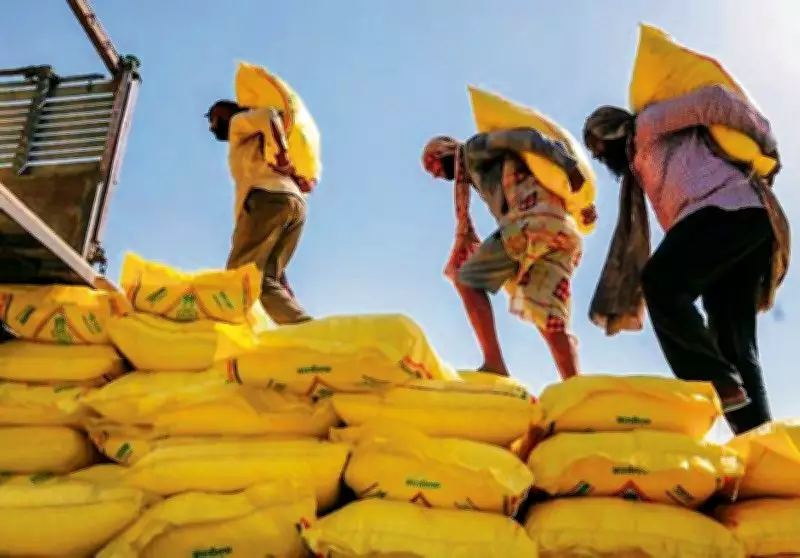
Middle East Conflict Disrupts Fertilizer Supply in Himachal Pradesh
The ongoing conflict in the Middle East has begun to severely impact the availability of fertilizers in Himachal Pradesh, prompting the state's cooperative federation to implement rationing measures across the region. This development comes at a critical time when agricultural demand is peaking, particularly in apple-growing areas.
High Demand and Supply Chain Issues
Demand for essential fertilizers such as urea, NPK, and MOP is currently at an all-time high across Himachal Pradesh. A significant portion of this demand originates from apple-growing regions, where urea is traditionally applied ahead of the bloom period to ensure optimal crop yield. However, the supply chain has been disrupted due to the Middle East conflict, affecting both imports and domestic production.
Maheshwar Chauhan, Chairman of the Himachal Pradesh State Cooperative Marketing and Consumers Federation Limited (Himfed), stated, "We are ensuring that everyone gets the required fertilizers, but due to high demand at this time, rationing has been introduced." This measure aims to manage the limited stocks and prevent hoarding, though it may lead to challenges for farmers relying on timely applications.

Root Causes of the Shortage
The fertilizer shortage stems from multiple interconnected factors. A large portion of fertilizer raw materials is imported, and the conflict has disrupted these international supply lines. Additionally, manufacturing plants depend heavily on liquefied natural gas (LNG), the supply of which has been compromised due to the geopolitical tensions, further hampering production and availability.
Chauhan also highlighted delayed allocation of fertilizers by the central government to National Fertilizers Limited (NFL) as a contributing factor. "The supply was affected as the centre delayed fertilizer allocation to NFL. We had written to the centre regarding this, and now the war has further impacted supplies," he explained. This combination of bureaucratic delays and external conflicts has created a perfect storm for the agricultural sector.
Mitigation Efforts and Future Concerns
In response to the crisis, Himfed has taken proactive steps to secure future supplies. The federation has secured a loan from the National Cooperative Development Corporation to maintain liquidity and procure sufficient quantities of fertilizers for the upcoming month of May. This financial maneuver is intended to buffer against immediate shortages and ensure a steady flow of inputs during the peak agricultural season.
However, Chauhan cautioned that the situation could deteriorate further if the Middle East conflict persists. Prolonged disruptions could exacerbate supply chain issues, leading to more severe rationing and potential impacts on crop yields. Farmers, especially in apple-growing regions, are advised to plan accordingly and utilize available resources efficiently.
The broader implications of this shortage extend beyond Himachal Pradesh, highlighting vulnerabilities in India's agricultural input supply chains. As global conflicts influence local economies, stakeholders must explore resilient strategies to safeguard food security and support the farming community through such challenging times.