

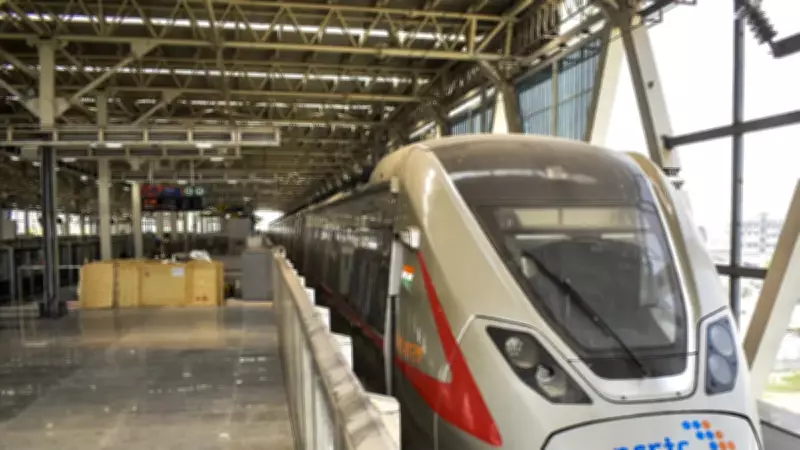
Namo Bharat Project Touted as a Landmark in India's Mobility Evolution
In a significant endorsement of India's infrastructure push, Alstom India has identified the Namo Bharat project as one of the most ambitious ventures in the nation's mobility sector. This high-speed rail initiative, part of broader efforts to modernize transportation, is poised to transform connectivity and set new benchmarks for rail networks across the country.
Alstom's Role and Strategic Insights
Alstom India, a key player in the global rail transport industry, has been actively involved in the development and implementation of the Namo Bharat project. The company emphasizes that this endeavor represents a monumental step forward in enhancing India's rail infrastructure, aligning with the government's vision for a more efficient and sustainable transportation system.
By 2026, the project is expected to achieve significant milestones, including the completion of critical phases that will boost operational capacity and passenger experience. Alstom's expertise in rolling stock and signaling systems is crucial to ensuring the project meets its ambitious targets, with a focus on safety, speed, and reliability.

Impact on India's Mobility Sector
The Namo Bharat project is not just about building railways; it's about redefining mobility in India. Key aspects include:
- Enhanced Connectivity: Linking major urban centers to reduce travel time and foster economic growth.
- Technological Innovation: Incorporating advanced technologies to improve efficiency and sustainability.
- Job Creation: Generating employment opportunities in construction, operations, and maintenance sectors.
- Environmental Benefits: Promoting greener transport options to reduce carbon emissions.
Alstom India notes that such projects are essential for positioning India as a leader in global mobility solutions, attracting investments and boosting the domestic economy.
Challenges and Future Prospects
Despite its promise, the Namo Bharat project faces challenges such as land acquisition, regulatory approvals, and funding. However, Alstom remains optimistic, citing strong government support and collaborative efforts with local partners. The company anticipates that by 2026, the project will demonstrate tangible benefits, including improved rail services and increased passenger volumes.
Looking ahead, the success of the Namo Bharat project could inspire similar initiatives across India, accelerating the modernization of the entire mobility sector. Alstom's involvement underscores the importance of international expertise in achieving these goals, setting a precedent for future public-private partnerships in infrastructure development.






