

Nashik MP Sounds Alarm Over India-EU Trade Deal Impact on Local Industries
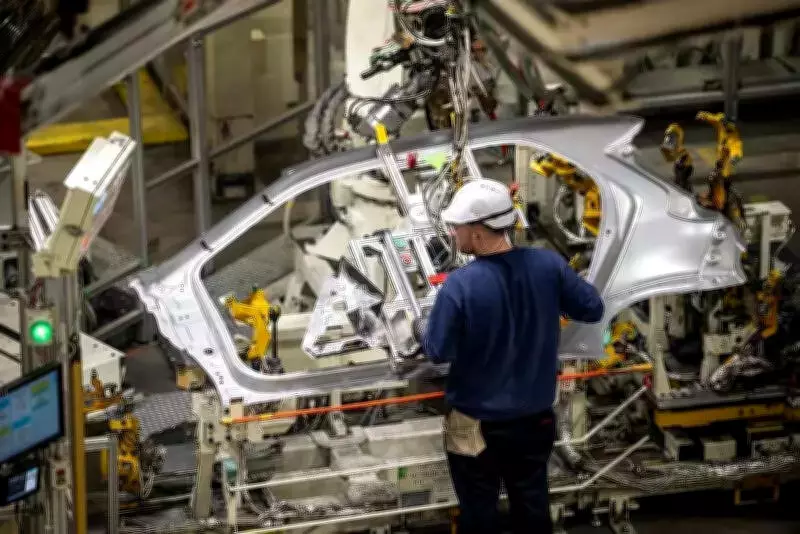
Nashik Member of Parliament Rajabhau Waje has voiced significant concerns regarding the proposed trade agreement between India and the European Union, warning that it could have detrimental effects on key domestic industries. The MP specifically highlighted the potential risks to the wine and automobile sectors, both nationally and particularly within the Nashik region, which serves as a major hub for these industries.
Parliamentary Action and Ministerial Communications
Waje has taken multiple approaches to address this pressing issue. He submitted a detailed letter and sent emails to Union Finance Minister Nirmala Sitharaman and External Affairs Minister S Jaishankar, outlining his apprehensions. Furthermore, he raised the matter as an urgent concern under Rule 377 during a Parliament session on Monday, directly questioning the government about protective measures.
The central question posed by the MP revolves around the alignment of the trade deal with the national 'Make in India' initiative. "If 'Make In India' is our national priority, then how will domestic manufacturing be protected when increased imports are encouraged primarily to accommodate Western markets?" Waje questioned during his parliamentary address and in correspondence with ministers.

Specific Threats to Nashik's Economic Landscape
Nashik's position as a significant center for wine production and automobile manufacturing makes it particularly vulnerable, according to Waje's analysis. The proposed reduction of tariffs under the trade agreement would expose local industries to intense competition from European imports.
"The proposed lowering of tariffs will expose Nashik's industries to intense import competition, leading to economic losses for local manufacturers, grape farmers, industrial workers, and allied MSMEs," the MP stated unequivocally.
Waje emphasized that the consequences would ripple through the entire economic ecosystem of the region, affecting not just large manufacturers but also small and medium enterprises, agricultural workers, and industrial labor.
Concerns About Unfair Trade Practices
Beyond general competition concerns, the MP highlighted specific risks that could undermine Indian industries:
- Potential for under-invoicing of imported goods
- Risks of dumping practices by foreign manufacturers
- Threats to intellectual property and technological sovereignty
These practices could create an uneven playing field where domestic producers struggle to compete against artificially cheapened imports.
Proposed Protective Measures and Support Systems
In his communications with government ministers, Waje outlined several specific recommendations to safeguard Indian industries while still engaging in international trade:
- Implementation of production-linked incentive schemes specifically for wine and automobile sectors
- Technological upgradation support for domestic manufacturers
- Subsidies to enable Indian firms to license intellectual property rights
- Targeted tax relief measures for affected industries
- Power tariff subsidies to reduce operational costs
The MP stressed that while he welcomes the government's initiative to conclude the India-EU Trade Agreement, adequate safeguards must be established to protect domestic manufacturing capabilities and employment.
"While I welcome govt's decision to conclude the India-EU Trade Agreement, I wish to place on record my serious concern regarding its adverse impact on Nashik, a significant hub of wine production and automobile manufacturing," Waje stated in Parliament and in his ministerial letters.
The issue raises fundamental questions about balancing international trade commitments with domestic industrial policy, particularly for regions like Nashik that have developed specialized economic clusters vulnerable to global competition.






