

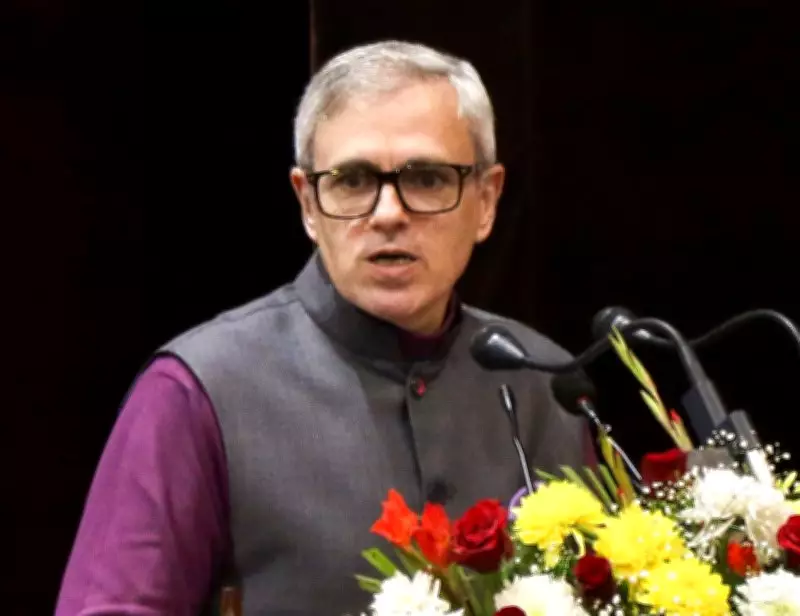
Omar Abdullah Raises Alarm Over Potential Economic Impact of Indo-US Trade Deal on Jammu & Kashmir
Former Chief Minister of Jammu and Kashmir, Omar Abdullah, has issued a stark warning regarding the proposed trade agreement between India and the United States, stating that the region stands to face only losses from such a deal. In a recent statement, Abdullah emphasized the need for thorough scrutiny and careful negotiation to protect the economic interests of Jammu and Kashmir.
Concerns Over Regional Economic Vulnerability
Abdullah highlighted that while national-level trade pacts often aim to boost overall economic growth, they can inadvertently disadvantage specific regions like Jammu and Kashmir. He pointed out that the region's unique economic structure, which includes sectors such as agriculture, handicrafts, and tourism, might not be adequately protected under a broad Indo-US agreement. "We foresee only losses for Jammu and Kashmir in this trade deal," Abdullah asserted, urging policymakers to consider the local implications before finalizing any terms.
Call for Inclusive Negotiations
The former chief minister stressed the importance of involving regional stakeholders in the negotiation process. He argued that without input from local representatives, the deal could lead to job losses, reduced market access for local products, and increased competition from imported goods. "It is crucial that the voices of Jammu and Kashmir are heard to ensure that any trade agreement does not undermine our economy," Abdullah added, calling for a more inclusive approach to international trade discussions.

Potential Risks to Key Sectors
Abdullah outlined several areas where Jammu and Kashmir might be particularly vulnerable. These include:
- Agriculture: Possible influx of cheaper US agricultural products could hurt local farmers.
- Handicrafts: Traditional crafts might face stiff competition from mass-produced imports.
- Tourism: Changes in trade policies could indirectly affect tourism-related services and infrastructure.
He emphasized that these sectors are vital for the region's livelihood and require special safeguards in any trade agreement.
Broader Implications for Regional Development
Beyond immediate economic concerns, Abdullah warned that an unfavorable trade deal could hinder long-term development efforts in Jammu and Kashmir. He noted that the region has been working towards economic stability and growth, and any setbacks from international agreements could delay progress. "We must prioritize the well-being of our people over hasty trade deals," he concluded, advocating for a balanced approach that considers both national and regional interests.
As discussions on the Indo-US trade deal continue, Abdullah's remarks underscore the need for nuanced policymaking that accounts for diverse regional economies within India. His call for caution reflects broader debates on how global trade agreements impact local communities, particularly in sensitive regions like Jammu and Kashmir.






