Pakistan Rejects India's Abeyance of Indus Water Treaty
Pakistan has rejected India's decision to put the Indus Water Treaty (IWT) in abeyance, accusing India of treating the shared river system as a strategic asset. The allegation was made by Foreign Office spokesperson Tahir Andrabi during his weekly press briefing on Thursday, in response to a question about India's move following the Pahalgam terror attack.
India announced a series of punitive measures against Pakistan after the April 22 terror attack last year, including placing the 1960 vintage IWT in abeyance. The treaty, brokered by the World Bank, governs the distribution and use of the Indus river and its tributaries between the two nations.
Allegations of Water Coercion
Andrabi stated that Pakistan rejects India's attempt to invoke baseless allegations of terrorism as a pretext for placing the treaty in abeyance and obstructing the lawful flow of Pakistan's share of water. He emphasized that the real issue is not terrorism but India's growing disposition to treat a shared international river system as a strategic asset that can be controlled, withheld, or diverted at will.

According to Andrabi, water is not a tool of coercion or political pressure. Any attempt to deny Pakistan its legitimate share of water under the IWT constitutes a clear violation of international legal obligations undertaken by India.
Details of the Indus Water Treaty
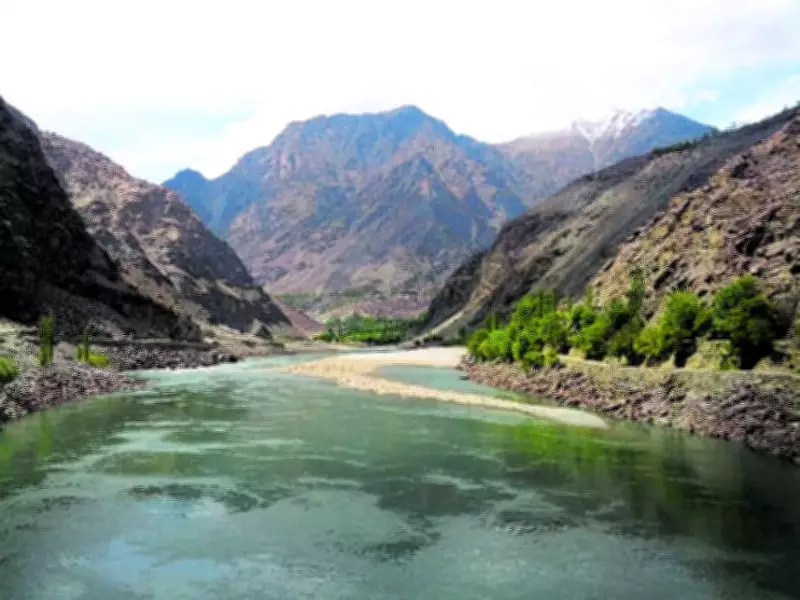
Under the IWT, Pakistan receives the entire flows from the three western rivers: Chenab, Jhelum, and Indus. India has complete rights over the three eastern rivers: Sutlej, Beas, and Ravi. The treaty has been a cornerstone of water-sharing between the two countries for over six decades, despite periods of tension.
India's decision to put the treaty in abeyance marks a significant escalation in the ongoing water dispute. Pakistan has consistently raised concerns over India's hydroelectric projects on the western rivers, arguing they violate the treaty's provisions.
International Implications
Andrabi's comments highlight Pakistan's stance that the IWT remains a valid international agreement and that India's unilateral action undermines the rule of law in international water governance. The World Bank, which facilitated the treaty, has previously urged both countries to resolve differences through dialogue.
The dispute adds to the complex relationship between the nuclear-armed neighbors, which includes territorial conflicts and cross-border terrorism allegations. Pakistan has sought international mediation, while India insists on bilateral resolution.