Supreme Court Mandates Full Disclosure of Spouse Property in Gujarat Poll Affidavits
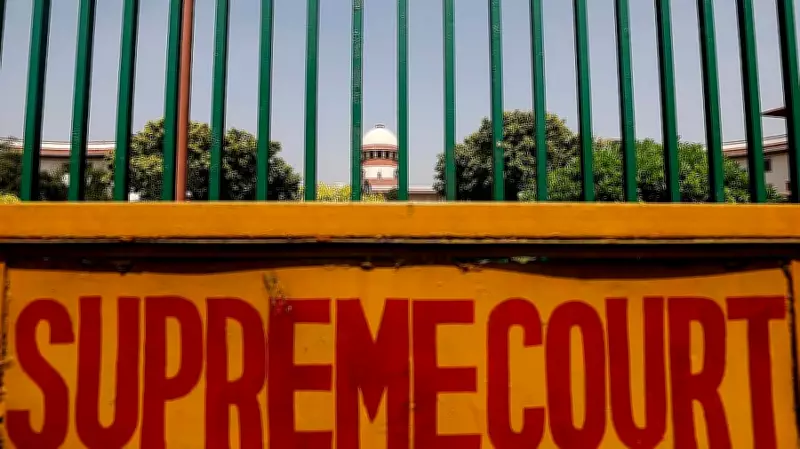
The Supreme Court of India has ruled that candidates contesting elections in Gujarat must disclose properties owned exclusively by their spouses in their nomination affidavits. The court clarified that the prescribed format does not permit any exclusion of such assets, reinforcing transparency in electoral processes.
Background of the Case
The judgment came on a petition challenging the nomination of a Gujarat candidate who allegedly failed to declare properties held solely by their spouse. The petitioner argued that non-disclosure violated the candidate's obligation under the Representation of the People Act and the Supreme Court's previous directives on full asset declaration.
Court's Ruling and Rationale
According to the bench, the affidavit format requires candidates to list all movable and immovable assets of themselves, their spouse, and dependents. The court emphasized that the term "spouse" includes properties owned individually by the spouse, and candidates cannot claim ignorance or lack of control over such properties.

The ruling stated: "The format does not allow any exclusion of properties owned exclusively by the spouse. Candidates must ensure complete and accurate disclosure to uphold the integrity of the electoral process."
Impact on Candidates and Voters
Legal experts note that this decision will compel candidates to conduct thorough due diligence on their spouse's assets. Failure to comply could lead to disqualification or perjury charges. The judgment aims to empower voters with complete financial information about candidates, enabling informed choices.
Ashish Tripathi, reporting for the publication, highlighted that the court's clarification removes ambiguity that some candidates used to omit spousal assets. The ruling applies to all future Gujarat elections and may influence similar cases in other states.
Reactions and Next Steps
While no immediate comment from political parties was available, election watchdogs welcomed the decision. The Election Commission of India is expected to issue updated guidelines for affidavit forms to align with the court's interpretation.
The case was disposed of with directions to the candidate to file a corrected affidavit within two weeks. The court also warned that any future non-compliance would be dealt with strictly.