

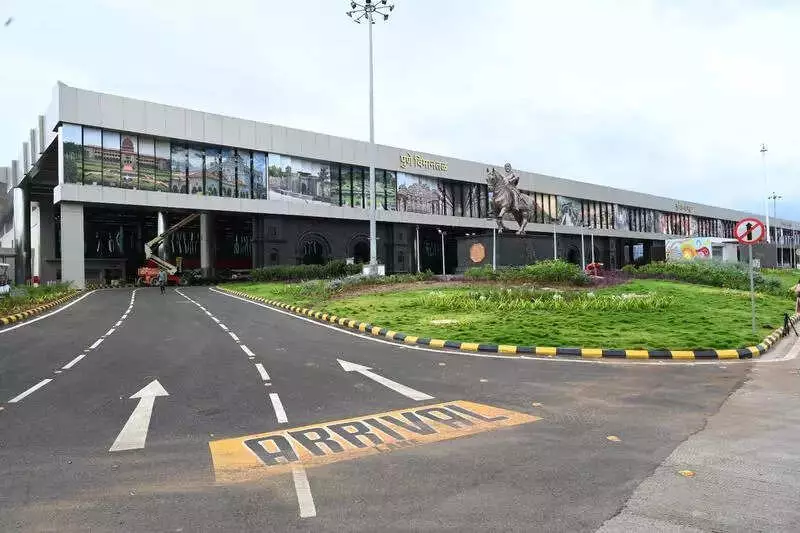
Pune Airport's 15 Prime Slots Face Uncertain Future Amid Multiple Challenges
The 15 prime flight slots allocated to Pune airport last year are at risk of remaining unused, even as the summer schedule approaches from late March. This concerning situation stems from a combination of factors including inadequate infrastructure, persistent operational problems with IndiGo—the airline with the highest number of flights from Pune—and an upcoming temporary runway closure scheduled for April.
Infrastructure and Operational Hurdles Compound the Issue
Aviation experts have emphasized that local industry associations and the civil aviation ministry need to take immediate notice and work toward resolving these pressing issues. The Indian Air Force (IAF) had originally provided these valuable slots to the Airports Authority of India (AAI) in June of last year, but their utilization has been hampered by multiple constraints.
A source from the airport revealed that the IAF is tentatively planning to commence runway work in April. This maintenance is scheduled during the NOTAM period to minimize disruption to regular flight operations. However, airlines have reportedly requested a postponement of this work, arguing that April marks the beginning of the busy summer schedule. "Starting new flights in the available slots is unlikely amid such developments," the source noted, highlighting the timing conflict.

IndiGo's Challenges and Slot Surrender Impact
IndiGo continues to face significant operational difficulties, which are directly affecting Pune's aviation landscape. Currently, three of IndiGo's scheduled flights from Pune remain suspended. Furthermore, the airline has curtailed over 700 slots across India, according to official statements.
"The AAI has told other airlines to occupy the slots if they have an adequate number of pilots and crew. In Pune, too, over 70% of flights belong to IndiGo. If an airline with the largest share of flights is leaving slots, starting new flights will be difficult," an official explained. At the time of reporting, a response from IndiGo's spokesperson regarding potential additional flight reductions in Pune was still awaited.
Infrastructure Deficiencies and Land Transfer Delays
Sources also pointed to critical infrastructure limitations as a major barrier. The limited number of parking bays, coupled with an increasing number of flights, could potentially lead to operational chaos. Compounding this issue is the pending transfer of 13 acres of land from the IAF to Pune airport. This delay means that the construction of five additional parking bays and three remote bays might take another year to complete, further straining existing resources.
Expert Insights on Connectivity and Economic Impact
Sanjay Lazar, an aviation expert and CEO of Avialaz Consultants, expressed surprise that no airlines have capitalized on the new slots. "Pune is the fastest-growing city in India and is the country's GCC data centre and IT hub. It is starved of domestic and international flights to destinations like Singapore, the Middle East, Malaysia, Sri Lanka, etc. The flight shortage also keeps air fares artificially high," he remarked.
Lazar urged local industry organizations such as MCCIA, NASSCOM, DCCIA, and Credai to advocate with the government and airlines to initiate more flights. "It is time the aviation ministry takes cognisance and allots the available slots so that the city can better connect to the world," he added, stressing the need for proactive measures.
Analyst Perspective on Utilization and Growth
Dhairyashil Vandekar, an aviation analyst and expert, outlined the numerous infrastructure constraints, including limited parking bays, a single runway requiring periodic recarpeting, minimal slot increases in the winter schedule, and IndiGo's reported nationwide slot surrenders. Despite these challenges, he noted that the 15 prime-time slots could help achieve full utilization of airport space, especially with a projected passenger growth of around 7% by 2026.
Vandekar emphasized that urgent infrastructure upgrades and enhanced coordination among the AAI, IAF, and airlines are critical to overcoming these obstacles and unlocking Pune's aviation potential.






