

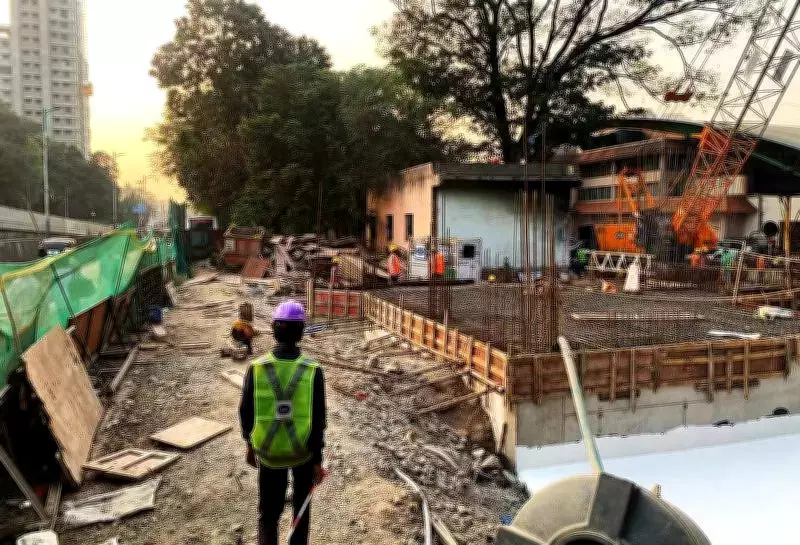
Pune Metro Inaugurates Swargate Underpass to MSRTC Bus Terminus
In a significant development for urban mobility, Maha Metro officially opened a new underpass on Saturday, connecting the Swargate Metro station directly to the MSRTC bus terminus. This infrastructure enhancement is set to provide much-needed relief to the thousands of commuters who navigate the bustling Swargate area daily, offering a seamless and safer alternative to crossing busy roads.
Commuters Voice Concerns Over Delayed Access Point
Despite this progress, regular users of the Swargate station have expressed dissatisfaction with the slow pace of work on another critical entry-exit point. This planned access would lead toward Ganesh Kala Krida Manch and Sarasbaug, and commuters are urging authorities to expedite its completion before the monsoon season sets in. Swargate, as the originating station for the Swargate-PCMC Metro corridor, ranks among the busiest hubs on both routes, underscoring the importance of efficient access points.
Maha Metro officials have acknowledged these demands, stating that efforts on the Ganesh Kala Krida Manch entry-exit have been accelerated. However, they noted that full completion is still several months away. An official highlighted, "The newly opened underpass offers seamless connectivity between the Metro station and the MSRTC terminus, allowing passengers to access bus services without navigating road traffic." This move aligns with the administration's vision to develop Swargate into a multimodal transit hub, with two of the three planned entry-exit points now operational.

Passengers Call for Improved Signage and Infrastructure
On the ground, several passengers using the Swargate station and MSRTC terminus on Saturday reported being unaware of the underpass's opening, pointing to a lack of clear signage. One commuter emphasized, "The Metro administration should install clear signage guiding commuters to the new facility." Additionally, Manoj Ingale, a traveler from the MSRTC terminus, suggested creating a dedicated pathway to ensure hassle-free access to the underpass, further enhancing user convenience.
Beyond connectivity, regular Metro users have renewed their demand for a parking facility at Swargate station. Narendra Raut, a frequent passenger, argued that since Swargate serves as the corridor's originating point, a parking lot is essential for those arriving by two-wheelers or cars. He stated, "Such a facility should remain functional at least till last-mile connectivity in the area improves." Commuters have also called for strict action against illegally parked autorickshaws around the station and at Swargate Chowk, citing safety and accessibility concerns.
Expansion Across Pune Metro Network
In related developments, Maha Metro has opened additional entry-exit points at the Shivajinagar and PCMC Metro stations. At Shivajinagar, an underpass has been constructed from Shimla Office Chowk to the station's concourse level, while at PCMC station, commuters can now access the opposite side of the road without crossing traffic. Passengers at these locations have similarly urged for clear signboards to make these new facilities easier to locate, highlighting a consistent need for better wayfinding across the network.
Future Plans for Increased Train Frequency
Looking ahead, Maha Metro indicated on Saturday that train frequencies on the existing PCMC-Swargate and Vanaz-Ramwadi routes might be increased once the Shivajinagar-Hinjewadi line becomes operational. An official explained, "The new line is in its final stages, with trial runs currently in progress. Although the launch date has not been announced, we expect the remaining work to be completed soon, allowing services to begin." For now, there are no immediate plans to boost frequency on the active routes, but commuters have suggested potential improvements, such as increasing train frequency or adding more coaches to the current three-coach trains.
This series of upgrades reflects Maha Metro's ongoing efforts to enhance public transport in Pune, addressing both immediate connectivity needs and long-term commuter demands for a more efficient and user-friendly Metro system.






