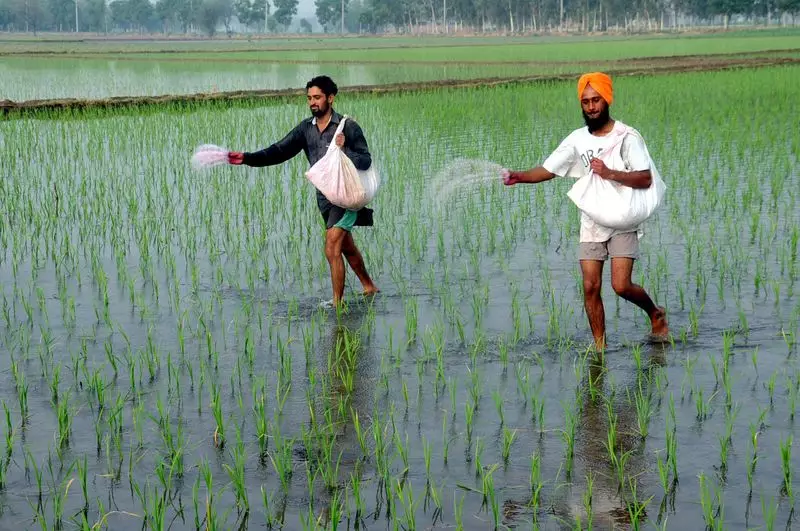
In a significant push towards sustainable agriculture, farmers in Punjab, particularly around Ludhiana, are increasingly adopting bio-fertilisers. This move marks a conscious shift away from the over-reliance on chemical inputs that has long characterised the region's farming practices. The transition is being championed by agricultural experts who argue that bio-fertilisers are not just an alternative, but the necessary way forward for the health of both the land and the farming community.
The Science and Benefits of Bio-Fertilisers
Bio-fertilisers consist of living microorganisms which, when applied to seeds, plant surfaces, or soil, promote growth by increasing the supply of primary nutrients to the host plant. Unlike chemical fertilisers that provide a direct but often harsh nutrient dose, these biological agents work symbiotically with the plant and soil ecosystem. Dr. Makhan Singh Bhullar, Director of Extension Education at Guru Angad Dev Veterinary and Animal Sciences University (GADVASU), has been a vocal advocate for this change. He emphasises that these natural inputs enhance soil fertility and structure over time, leading to sustainable productivity.
The core advantage lies in their eco-friendly nature. Chemical fertilisers are known to degrade soil health, cause water pollution, and contribute to greenhouse gas emissions. In contrast, bio-fertilisers help in restoring the natural nutrient cycle and improving soil organic matter. They fix atmospheric nitrogen, solubilise phosphorus, and stimulate plant growth through the synthesis of growth-promoting substances. This results in healthier crops, improved yields in the long term, and a significant reduction in cultivation costs for farmers who spend heavily on chemical purchases.

Ground-Level Impact in Ludhiana and Beyond
The message is gaining traction on the ground. Farmers in the Ludhiana district, often seen as the heartland of Punjab's Green Revolution, are beginning to experiment with and integrate bio-fertilisers into their cropping patterns. The initial results have been encouraging, with reports of better soil texture, increased water retention capacity, and reduced incidence of certain soil-borne diseases. This practical validation is crucial for wider adoption in a community that rightly prioritises crop security and economic viability.
Agricultural institutions are playing a pivotal role in this transition. GADVASU and other Krishi Vigyan Kendras (KVKs) are conducting extensive training programs and demonstrations to educate farmers about the correct preparation and application methods of various bio-fertilisers like Rhizobium, Azotobacter, and Phosphate Solubilising Bacteria (PSB). The focus is on providing hands-on knowledge to ensure efficacy, as improper use can lead to disappointing results and erode farmer confidence.
The Road Ahead for Sustainable Farming
The shift towards bio-fertilisers represents more than just a change in input; it signifies a broader movement towards holistic and regenerative agriculture. For a state like Punjab, which faces severe issues of soil degradation and water table depletion, this transition is critical for long-term food security and environmental sustainability. Experts contend that a blended approach—combining reduced chemical fertiliser use with increased bio-fertiliser application—can offer a practical and immediate pathway.
The challenges, however, remain. These include the need for greater awareness, consistent quality control of commercially produced bio-fertilisers, and sometimes a longer period to see dramatic results compared to chemical quick-fixes. Despite this, the consensus among progressive agriculturists is clear. As Dr. Bhullar and others assert, embracing bio-fertilisers is the definitive way ahead. It is a strategy that promises to safeguard farmers' livelihoods, ensure fertile land for future generations, and produce food in harmony with nature, making it a win-win proposition for Punjab and Indian agriculture as a whole.