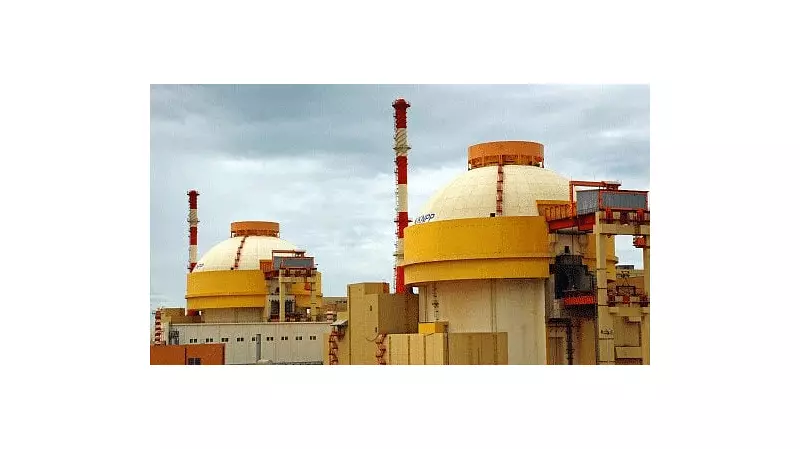
In a significant development for India's energy security, the Russian state atomic energy corporation, Rosatom, has successfully delivered a fresh consignment of nuclear fuel to the Kudankulam Nuclear Power Plant (KNPP) in Tamil Nadu. This timely delivery ensures the continuous and safe operation of the country's largest nuclear power facility.
Ensuring Uninterrupted Power Generation
The nuclear fuel was transported from Russia and reached the plant located in the Tirunelveli district. This supply is critical for maintaining the operational capacity of the existing reactors at the site. The Kudankulam plant, a flagship project of the India-Russia strategic partnership, currently has two operational VVER-1000 reactors, each with a capacity of 1,000 megawatts.
The fuel delivery was confirmed by Rosatom's fuel division, TVEL, which highlighted its role in supporting India's growing energy needs. Regular and reliable fuel supplies are the lifeblood of any nuclear power station, and this consignment from Russia underscores the deep technical and logistical cooperation between the two nations in the civil nuclear arena.

A Pillar of Strategic Partnership
The Kudankulam project is being built in collaboration with Rosatom and is operated by the Nuclear Power Corporation of India Limited (NPCIL). The delivery reinforces the long-standing nuclear energy partnership, which dates back to an inter-governmental agreement signed in 1988. Beyond the two functioning units, the construction of additional reactors is actively underway at the same site.
Units 3 and 4 are currently in various stages of construction, with plans for Units 5 and 6 also on the horizon. This latest fuel shipment not only supports current power generation but also paves the way for the future expansion of nuclear capacity in the region. The partnership is a cornerstone of India's plans to increase the share of clean, baseload nuclear power in its energy mix.
Implications for Energy Security and Local Economy
The consistent operation of the Kudankulam plant has far-reaching consequences. For the state of Tamil Nadu, it provides a substantial and reliable source of electricity, helping to meet the industrial and domestic demand in the power-intensive region. On a national level, it contributes to India's goals of energy independence and reducing the carbon footprint of its power sector.
The plant's operation also has a significant positive impact on the local economy, creating skilled jobs and fostering ancillary industries. The safe and sustained functioning of the facility, backed by assured fuel supplies, is vital for regional development. This delivery from Rosatom demonstrates the resilience and importance of international supply chains in the critical energy infrastructure sector.
In conclusion, the seamless delivery of nuclear fuel from Russia to Tamil Nadu is more than a routine logistical operation. It is a testament to a strategic geopolitical partnership and a crucial step in powering India's growth with clean energy. As the country continues to expand its nuclear fleet, such collaborations will remain indispensable for achieving a sustainable energy future.