

Rudrapur's Export Economy Faces Severe Disruption from Middle East Conflict
The escalating geopolitical tensions between Iran, the United States, and Israel have begun to cast a significant shadow over the export-driven economy of Rudrapur in Udham Singh Nagar district, disrupting trade and industrial activity across the region. Exporters and industrialists are reporting a sharp decline in shipments to West Asian countries, coupled with rising production costs driven by volatile fuel prices that are creating economic instability.
Agricultural Exports Grind to a Halt
The impact is most visible in agricultural exports, particularly rice and frozen vegetables including peas, beans, carrots, bitter gourd, ridge gourd, spinach, and okra. While the district typically exports nearly one lakh quintals of these products annually, shipments to West Asia have nearly come to a complete standstill since the conflict intensified, hitting local traders and farmers particularly hard.
Exporters confirm that consignments to approximately ten West Asian countries have halted entirely, though limited shipments continue to alternative markets including South Africa, Mexico, Japan, Singapore, Mozambique, Kenya, and parts of West Africa. The Gulf countries traditionally account for the largest share of our rice and frozen vegetable exports, but shipments have stopped for several days due to the conflict, explained exporter Ashok Agarwal. We are attempting to offset losses by redirecting exports to other countries, but normal trade volumes will only resume when the geopolitical situation stabilises.

Industrial Sector Faces Mounting Pressure
The trade disruption has created ripple effects throughout the local economy, affecting rice mills where large quantities of processed stock remain unsold, increasing financial pressure across the entire agricultural supply chain. Exporters note that despite indications of potential policy support from government authorities, tangible relief on the ground remains limited and insufficient to address the immediate crisis.
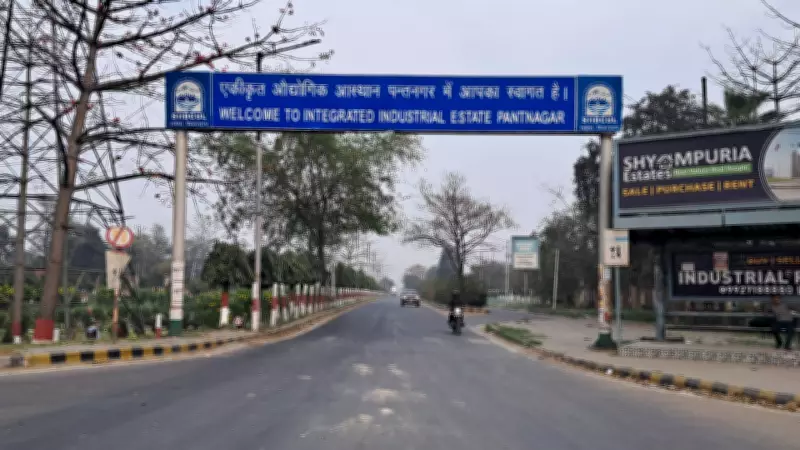
Meanwhile, industries located in Pantnagar, Sidcul, and nearby industrial areas are confronting rising input costs that threaten their operational viability. Fluctuating crude oil prices in international markets have pushed up fuel costs substantially, leading to higher electricity tariffs, increased transportation expenses, and elevated raw material prices that are squeezing profit margins.
MSMEs Bear the Brunt of Economic Instability
The conflict appears to have derailed almost all global trade activities, resulting in widespread economic instability, observed Ajay Tiwari, former president of the Sidcul Entrepreneur Welfare Association. However, exports to non-Gulf countries are continuing at reduced levels, providing some limited relief to affected businesses.
Industrial leaders warn that micro, small, and medium enterprises (MSMEs) are suffering the worst impacts due to their limited financial capacity to absorb rising operational costs. Many manufacturing units are considering cutting production volumes or raising product prices, which could further suppress consumer demand and create additional economic challenges.
Industries across the region are under severe financial stress, stated Shrikar Sinha, current president of the association. Production has declined noticeably, and adverse effects are visible across multiple sectors. We have urgently appealed to government authorities to ensure concrete policy support measures that can help keep industrial operations running during this crisis period.
Supply Chain Disruptions Worsen
BP Singh, human resources manager at a Sidcul-based manufacturing company, highlighted the practical challenges facing local industries. The impact of the Middle East conflict is clearly visible throughout our supply chains, Singh explained. Raw material prices remain highly unstable, and timely availability has become a consistent issue. Diesel and electricity costs have also risen sharply, adding to our operational burdens.

The situation in Rudrapur illustrates how regional geopolitical conflicts can create tangible economic consequences far from the actual conflict zones, affecting agricultural exports, industrial production, and employment in communities dependent on international trade relationships.





