

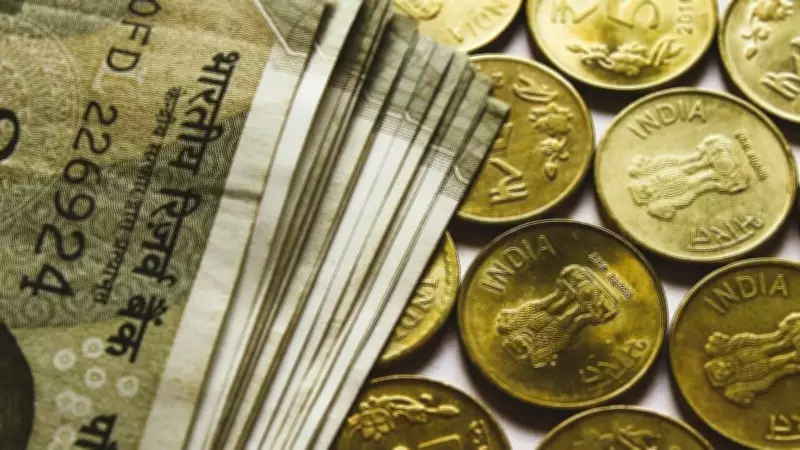
The Indian rupee experienced a significant surge in early trading sessions, climbing 1.2% to reach 90.40 against the US dollar. This notable appreciation comes directly on the heels of the finalized India-US trade deal, which was concluded on Monday evening, injecting optimism into the currency markets.
Immediate Market Reaction to Trade Agreement
Financial markets responded swiftly to the news of the bilateral trade pact between India and the United States. The rupee opened substantially stronger, reflecting investor confidence in the economic implications of this strategic agreement. This development marks one of the most substantial single-day gains for the Indian currency in recent months, highlighting the market's positive reception to enhanced trade relations between the two economic powerhouses.
Factors Driving Rupee Appreciation
Several key elements contributed to the rupee's robust performance following the trade deal announcement. The agreement is expected to facilitate smoother trade flows, reduce tariff barriers, and create more predictable business environments for exporters and importers alike. These factors collectively strengthen the fundamental outlook for the Indian economy, thereby supporting currency valuation.

Market analysts point to increased foreign investment inflows as a primary driver behind the rupee's upward movement. With trade tensions easing and economic cooperation deepening, international investors are showing renewed interest in Indian assets, creating additional demand for the rupee in global forex markets.
Future Outlook: Can the Rupee Maintain Momentum?
The critical question now facing traders and economists is whether the rupee can sustain this appreciation trend or if the gains represent a temporary market reaction. While the trade deal provides a strong foundation for continued strength, several variables will influence the currency's trajectory in coming weeks.
Key Considerations for Further Appreciation
- Implementation of trade agreement terms: The actual execution of the deal's provisions will significantly impact long-term currency stability.
- Global dollar strength: Movements in the US dollar index and Federal Reserve policies remain crucial external factors.
- Domestic economic indicators: India's inflation data, GDP growth figures, and fiscal policies will continue to shape rupee valuation.
- Geopolitical developments: Broader international relations and economic partnerships may influence investor sentiment toward emerging market currencies.
Currency experts suggest that while the immediate reaction is strongly positive, sustained appreciation will depend on how effectively the trade deal translates into tangible economic benefits. The rupee's performance against other major currencies and its behavior in different trading sessions will provide additional clues about its medium-term direction.
Market Caution and Investment Advisory
It is important to note that currency markets remain volatile and subject to rapid changes based on new information and global developments. The current surge represents a developing situation that requires careful monitoring. Investors and businesses with exposure to forex markets should consider consulting with financial advisors to navigate potential risks and opportunities arising from these currency movements.
The India-US trade agreement has undoubtedly created a favorable environment for the rupee, but market participants will be watching closely to determine whether this represents the beginning of a sustained appreciation trend or a temporary market adjustment to positive news.






