The Indian rupee has found itself in a precarious position, emerging as one of the worst-performing currencies worldwide in 2025. A combination of domestic and international pressures has driven the currency to an unprecedented low, signaling significant economic headwinds.
A Perfect Storm of Economic Pressures
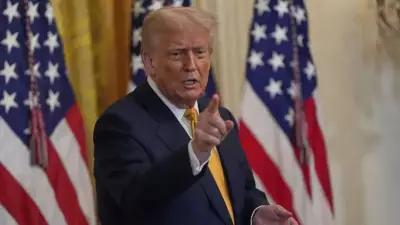
As of 17 December 2025, the rupee has depreciated by a substantial 6% against the US dollar since the beginning of the year. This relentless slide culminated in the currency touching a historic nadir of 91.075 per dollar. Analysts point to a confluence of three major factors creating this perfect storm. Firstly, India's widening trade deficit has put sustained pressure on the currency. Secondly, the specter of punitive 50% tariffs imposed by the United States under the administration of President Donald Trump has severely dampened trade prospects and investor sentiment. Thirdly, consistent investment outflows from Indian markets have further drained support for the rupee.
The Trump Factor and Trade Impasse
The ongoing trade stalemate between India and the United States has been a central catalyst for the rupee's weakness. The 50% US tariffs on certain Indian goods have acted as a severe punitive measure, disrupting bilateral trade flows. This impasse has not only made Indian exports less competitive but has also fostered an environment of uncertainty, discouraging foreign investment. The policy stance from Washington has effectively kept the rupee "in the cold," isolating it from potential recovery paths enjoyed by other currencies.

Consequences and the Road Ahead
The record-low rupee carries profound implications for the Indian economy. A weaker currency makes imports more expensive, potentially fueling inflation. Companies with foreign debt will face higher repayment costs, squeezing their finances. While exporters may theoretically benefit, the overarching trade tensions and global slowdown could negate any advantage. The situation underscores the vulnerability of emerging market currencies to geopolitical shifts and protective trade policies. Resolving the trade impasse with the US and addressing the structural trade deficit are now critical imperatives for policymakers aiming to stabilize the national currency and restore investor confidence.