In a significant move highlighting robust bilateral ties, Russia has commenced the delivery of nuclear fuel for a major Indian power project, with President Vladimir Putin reiterating a commitment to ensure stable energy supplies to New Delhi. This development comes amidst ongoing Western sanctions on Moscow and international pressure over the Ukraine conflict.
First Fuel Batch Arrives for Kudankulam's Third Unit
On Thursday, Russia's state-owned nuclear energy corporation, Rosatom, announced the successful first delivery of nuclear fuel assemblies for the third unit of the Kudankulam Nuclear Power Plant (KNPP) located in Tamil Nadu. The crucial cargo was transported via a dedicated flight from the Novosibirsk Chemical Concentrates Plant in Siberia.
This delivery marks the beginning of a larger supply chain. A total of seven flights from Russia are planned to deliver the complete reactor core along with a reserve stock of fuel for Unit 3. The shipments are executed under a comprehensive contract signed in 2024, which guarantees fuel supply for the lifetime operation of both the third and fourth VVER-1000 reactors at the Kudankulam site.

Advanced Technology for Enhanced Performance
Rosatom highlighted the use of advanced nuclear fuel technology in the Indian project. Since 2022, the two operational VVER-1000 reactors at Kudankulam (Unit 1 and Unit 2) have been using the newer TVS-2M fuel assemblies. This upgrade has reportedly led to improved plant performance and enabled longer fuel cycles of 18 months between refueling, compared to the previous standard.
The corporation stated that the upcoming Kudankulam Unit 3 and Unit 4 will be the first VVER-1000 units globally to commence operation directly on this efficient 18-month cycle, thanks to the modern fuel from the start.
Expanding India's Nuclear Power Capacity
The Kudankulam plant is a cornerstone of India's civil nuclear energy program. Currently, it has two operational units, while four additional units (3, 4, 5, and 6) are under various stages of construction. Once fully completed, the facility will house six VVER-1000 reactor units, contributing a massive total installed capacity of 6,000 MW to the national grid.
The first reactor was connected to India's power system in 2013, followed by the second in 2016. Over their operational history, Russian and Indian engineers have collaborated extensively to enhance the efficiency of these units through technological upgrades, including the introduction of advanced fuel.
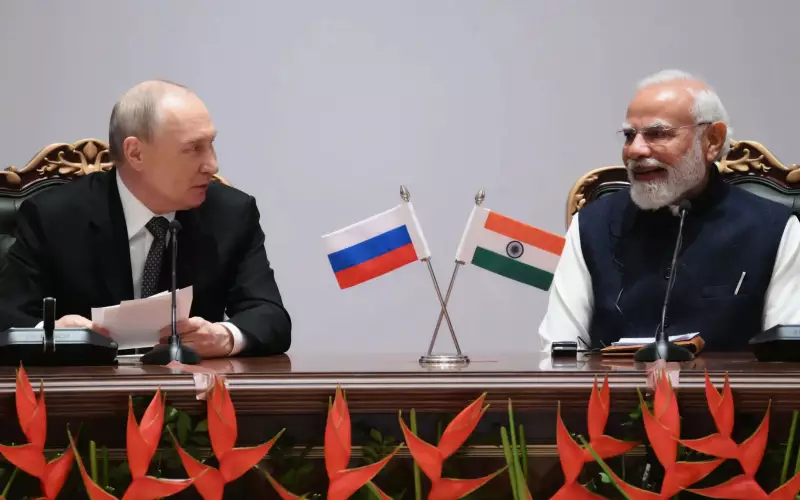
President Putin's statement on Friday, affirming readiness for "uninterrupted shipments of fuel" to India, underscores the strategic energy partnership. It signals that despite the complex geopolitical landscape, cooperation in critical areas like nuclear energy remains a steady pillar of the India-Russia relationship.