BJP Minister Ganesh Naik Issues Stark Warning to Shiv Sena Chief Eknath Shinde in Thane
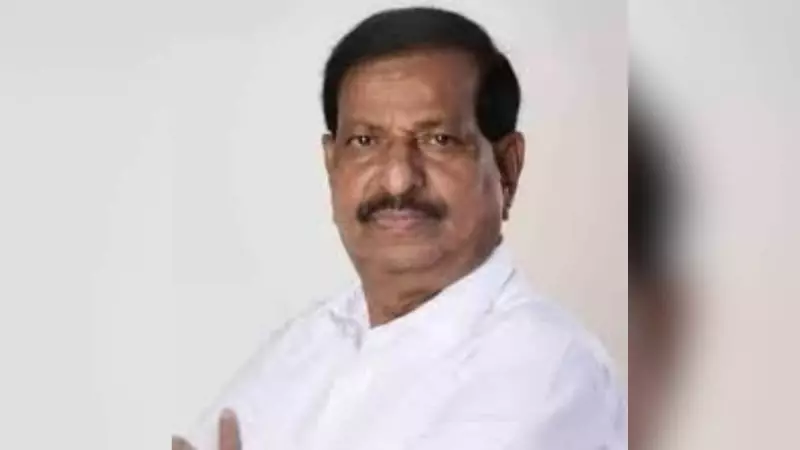
In a dramatic escalation of political tensions within Maharashtra's ruling alliance, Bharatiya Janata Party leader and state minister Ganesh Naik issued a stark warning to Deputy Chief Minister Eknath Shinde, suggesting that the Shiv Sena chief's political existence could be completely erased if the BJP leadership allowed him to act freely. The remarks were made during a visit to a Ganesh mandal in Thane, widely regarded as Shinde's political stronghold.
Long-Standing Rivalry Over Mumbai Metropolitan Region Influence
The comments come amid a long-standing and bitter rivalry between Naik and Shinde over political dominance in the crucial Mumbai Metropolitan Region, particularly in key areas including Navi Mumbai, Thane, and Kalyan-Dombivli. Remarkably, these differences have persisted even after the BJP and the Shinde-led Shiv Sena became alliance partners both in Maharashtra and at the national level.
Naik's explosive statement followed the recent municipal election results, during which he had expressed significant dissatisfaction with the Mahayuti alliance's poll strategy. "If the BJP gives permission, their name and existence will be wiped out. I am repeating this today," Naik declared boldly during his Thane address.

Discipline Versus Dissent Within the Alliance
While issuing this warning, Naik simultaneously emphasized the BJP's reputation as a disciplined political organization. "Once an order is given, we follow it. Even when our mind does not agree, our workers have tolerated it and remained silent because of party discipline," he stated, highlighting the internal tensions within the ruling coalition.
Directly challenging the notion that Thane belongs exclusively to the Shiv Sena, Naik asserted, "No bastion belongs to anyone." He recalled his previous political achievements, noting, "When I was in another party, we had a mayor in Navi Mumbai and Mira-Bhayander. Thane slipped narrowly. But we won district banks and the zilla parishad."
Criticism of Alliance's Civic Election Strategy
The BJP leader expressed particular dissatisfaction with how the Mahayuti alliance handled the recently concluded civic elections across Maharashtra. "Leaders get posts like MP and MLA. Municipal corporations and councils belong to workers. Let everyone contest separately. After the results, the party with more corporators should get the mayor's post, and others should support it," Naik proposed, clarifying that this represented his personal viewpoint rather than official party policy.
Regarding specific seat-sharing negotiations in Navi Mumbai, Naik revealed that the Shiv Sena had demanded 57 seats while the BJP was prepared to offer only 20 to 22. "Talks continued until the last day. Finally, they filled their forms, and we filled ours. What happened after that was for the good," he remarked, delivering a subtle jab at his alliance partner.
Internal Discussions and External Reactions
Naik disclosed that he had conveyed his perspectives to Maharashtra Chief Minister Devendra Fadnavis, though no definitive decision emerged from these discussions. "He neither said yes nor no," the BJP leader added, indicating ongoing internal deliberations within the ruling coalition.
Meanwhile, Naik's provocative comments prompted an immediate and sharp response from the Shinde camp. Transport Minister Pratap Sarnaik countered forcefully, "No matter how much anyone speaks, Eknath Shinde is strong. Thane is Shiv Sena's stronghold. Shinde and Shrikant Shinde have strengthened it. Talking is easy, but Shinde has proved himself in the Assembly and municipal elections. The Shiv Sena is the second-largest party in the state."
This public exchange underscores the simmering tensions within Maharashtra's ruling Mahayuti alliance, revealing deep-seated rivalries that continue to surface despite their political partnership. The confrontation between Naik and Shinde represents more than personal animosity—it reflects broader struggles for influence within the Mumbai Metropolitan Region that could have significant implications for future electoral strategies and alliance dynamics.