

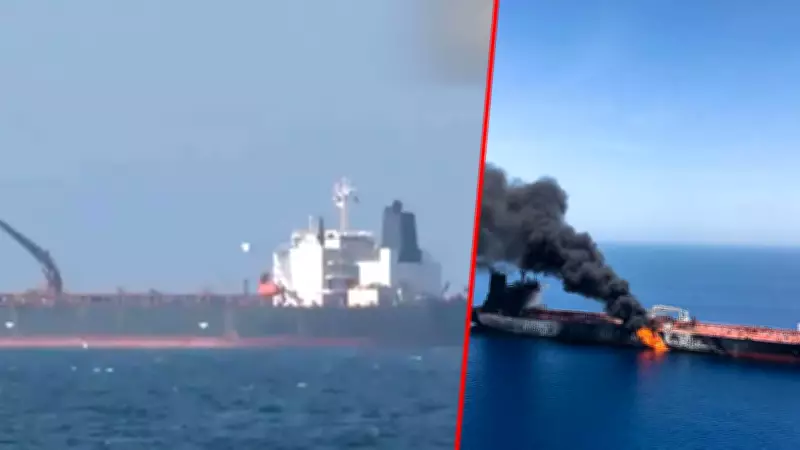
Russian and US Energy Shipments Dock in India as Hormuz Tensions Intensify
In a significant development highlighting India's strategic energy maneuvers, a major Russian oil tanker has anchored near the Indian coast, accompanied by liquefied petroleum gas (LPG) shipments from the United States. This dual influx comes against a backdrop of escalating geopolitical tensions in the Strait of Hormuz, a critical maritime passage for global oil supplies.
MT Aqua Titan Anchors Off Mangalore Coast
The Russian-flagged oil tanker MT Aqua Titan, chartered by Mangalore Refinery and Petrochemicals Ltd (MRPL), is currently positioned in the Arabian Sea, approximately 10 nautical miles from the Mangalore coast. This vessel's arrival is part of India's ongoing efforts to secure crude oil imports amid volatile international markets.
Simultaneously, reports indicate that LPG shipments from the United States have also reached Indian shores, diversifying the country's energy sources. These arrivals underscore India's proactive approach to mitigating supply chain risks.

Navigating Global Energy Uncertainties
Indian authorities are maintaining a vigilant watch over maritime traffic and key oil supply routes, particularly those traversing the Middle East. The Strait of Hormuz, a narrow chokepoint between Iran and Oman, handles about one-fifth of the world's oil consumption, making it a focal point of current tensions.
Ensuring uninterrupted crude availability has become a paramount priority for India, which relies heavily on imports to meet its energy demands. The strategic positioning of tankers like the MT Aqua Titan emphasizes the importance of:
- Secure shipping lanes to prevent disruptions from regional conflicts.
- Efficient logistics management to maintain stable fuel supplies.
- Diversified sourcing to reduce dependency on any single region.
Broader Implications for India's Energy Security
This development occurs amidst a complex global landscape where geopolitical rivalries could impact energy flows. India's ability to receive shipments from both Russia and the US simultaneously demonstrates its diplomatic balancing act and commitment to safeguarding the energy needs of its 1.4 billion citizens.
The government's focus remains on stabilizing domestic fuel markets and supporting industrial growth, even as external pressures mount. Analysts suggest that continued monitoring of the Hormuz situation will be crucial, as any escalation there could have immediate repercussions for India's economy and energy security framework.






